









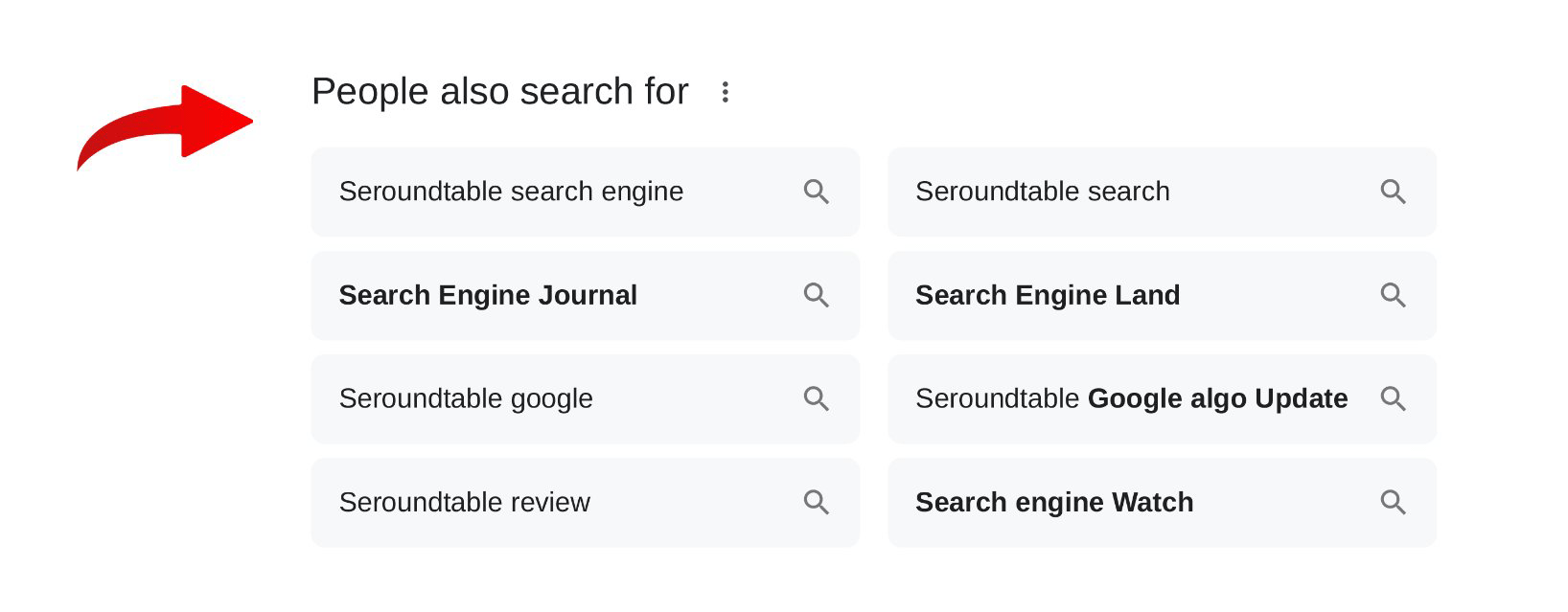
Google is testing a new related search box labeled “Related searches based on your browsing.” It was spotted on the search results page and appears to suggest queries tied to a user’s browsing activity, not just their past search terms. Google has not confirmed exactly what data powers it, so treat this as an early-stage experiment rather than a confirmed, permanent feature.
This is worth watching because related searches already shape how people refine a query and discover new content. If Google expands the signals behind that box to include browsing behavior, it could change which pages get discovered through related search suggestions.
What Is “Related Searches Based On Your Browsing”?
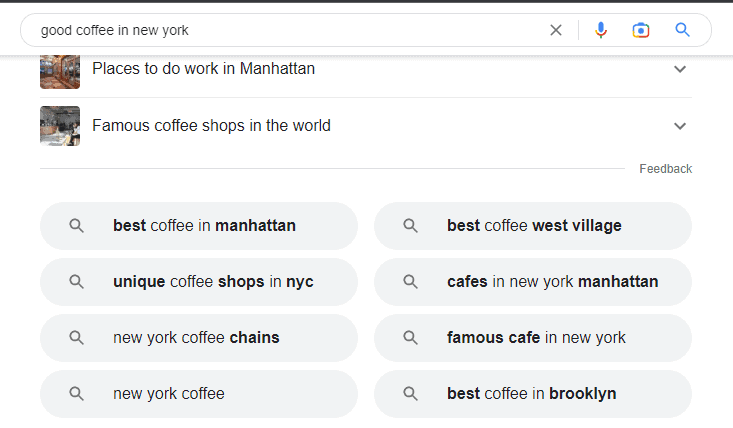
This is a test version of Google’s familiar related search box, relabeled with new wording that references a user’s browsing rather than their search history alone. It was first noticed by SEO professional Sachin Patel, who shared a screenshot of the box on X.
The label itself is the notable part. Google’s standard related search suggestions have long drawn on search history, related search activity, and click behavior. A box specifically titled around “browsing” raises the question of whether Chrome browsing history, not just search activity, now plays a role.
Where This Was First Spotted
According to Search Engine Roundtable, Google is testing a related search box that shows suggestions based on browsing, and this may be pulling from Chrome browsing history beyond what a user has actually searched for on Google. The outlet noted the finding came from a screenshot shared publicly on X by Sachin Patel, and that Google had not clarified the mechanics behind it.
Because this is an unconfirmed test, it may only be visible to a small percentage of users, and it may disappear or change wording before any wider rollout. Google runs many search interface experiments that never reach general availability.
Is Google Actually Using Chrome Browsing History?
Short answer: it’s unclear, and Google has not confirmed it either way.
Google already personalizes some search features using signals from a signed-in user’s Google Account. Google’s own support documentation confirms that personalized search content can draw on a person’s Web & App Activity, which includes search history and that these settings can be adjusted or turned off through Activity Controls. What is not yet confirmed is whether this specific test pulls from Chrome’s browsing history in addition to that.
It’s equally possible Google is simply testing a new interface copy on an existing related-search feature that already uses search and click signals, without meaningfully changing the underlying data source. Until Google addresses it directly, both explanations remain possible.
How This Differs From Standard Related Searches
Google’s standard related searches box, which appears at the bottom of results pages, already factors in more than the literal query typed into the search bar.
| Signal | Used by standard related searches | Confirmed for this new test |
| Past search history | Yes | Unconfirmed |
| Click and engagement behavior | Yes | Unconfirmed |
| Location and language | Yes | Unconfirmed |
| Semantic relationship to the query | Yes | Unconfirmed |
| Chrome browsing history (pages visited, not searched) | Not confirmed | Suspected, not confirmed |
The key distinction, if the browsing-based signal turns out to be real, is the difference between what someone searches for and what pages they actually visit afterward. That would be a meaningfully broader data source than search history alone.
What This Could Mean for Search Behavior and SEO

If this test expands, a few practical shifts could follow.
Related search suggestions could become more personalized. Two people searching the identical query might see different related terms based on their individual browsing patterns, not just shared search trends.
Discovery paths could shift. Pages that get visited often after a certain type of search, even if never directly searched for by name, could start surfacing more often as a related suggestion.
Content strategy may need to account for post-click behavior. If browsing patterns after a search start influencing future related searches, what a visitor does on your site after arriving from Google may carry more indirect weight than before.
None of this is confirmed as a ranking or visibility factor. It’s an interface test, not an announced algorithm change, so any SEO response should stay proportional to that uncertainty.
How to Check If You’re Seeing This Test
There is no official rollout percentage published, so the only reliable way to check is to look directly at your own results.
- Run a normal search on Google in a signed-in browser.
- Scroll to the bottom of the results page where related searches normally appear.
- Check the heading above the suggested queries.
- If it reads “Related searches based on your browsing” instead of the standard label, you are seeing the test.
Since this is limited testing, most users will still see the standard related searches box.
What Digital Marketers and SEOs Should Do Right Now
Given the early and unconfirmed nature of this test, the most useful response is monitoring rather than reacting.
- Keep an eye on official Google Search Central or Search Console announcements for any confirmation of new personalization signals.
- Continue building content around clear search intent and strong internal linking, since these remain reliable regardless of how related searches evolve.
- Avoid making major strategy changes based on a single spotted test, since many Google experiments never reach full rollout.
- If you track how AI Mode changes local search visibility, treat this as another signal worth watching in that same broader shift toward more personalized, behavior-driven search results.
Frequently Asked Questions
What is Google’s “Related searches based on your browsing” feature?
It’s a test version of Google’s related search box, spotted with new wording suggesting suggestions may be based on browsing activity rather than just search history. Google has not officially confirmed what data source powers this test.
Is Google using my Chrome browsing history for related searches?
This isn’t confirmed. The box’s label implies browsing data may be involved, but Google has not clarified whether it uses Chrome browsing history, search history, or simply relabeled an existing feature during testing.
How is this different from the standard related searches box?
Standard related searches already draw on search history, click behavior, location, and semantic relevance. This test’s label suggests a possible addition of browsing-based signals, though that has not been officially verified by Google.
Will this feature roll out to everyone?
It’s uncertain. Google regularly tests interface changes that only reach a small percentage of users and never expand further. There is currently no confirmation of a wider or permanent rollout.
Should I change my SEO strategy because of this test?
Not based on this alone. Since Google hasn’t confirmed the mechanics or scale of the test, it’s better to monitor official updates and keep focusing on clear search intent and quality content rather than reacting to an unconfirmed interface experiment.

Vikas Verma is an SEO specialist and web designer focused on SEO strategy, website design, and digital experiences.