






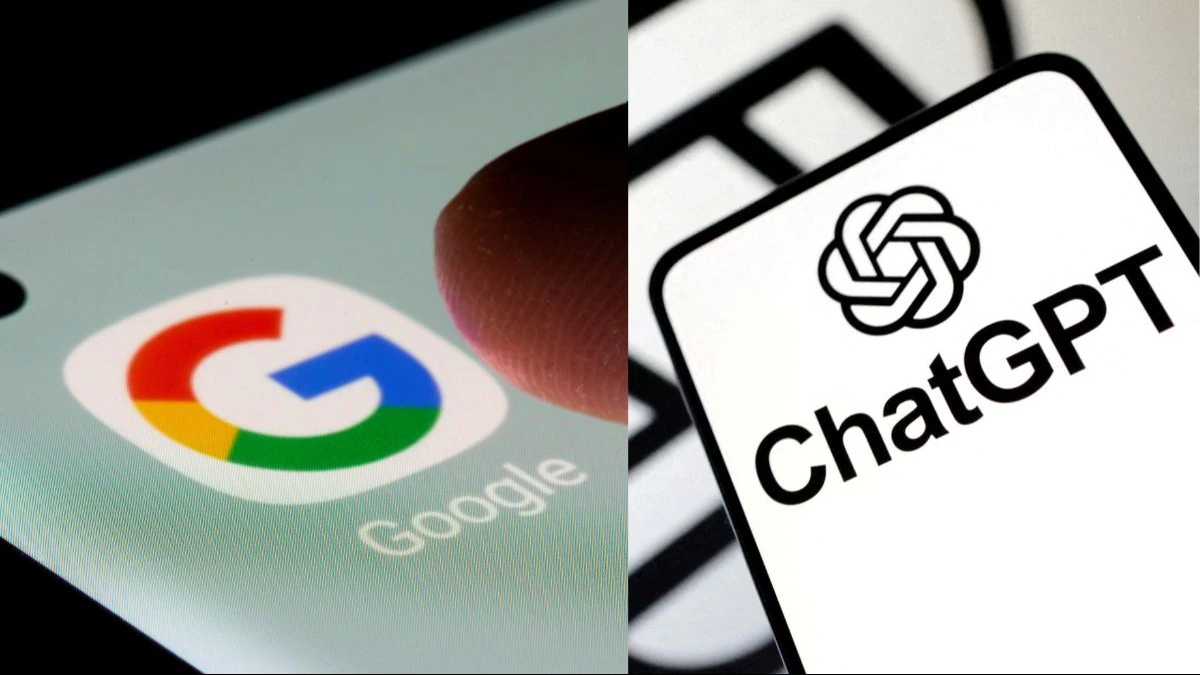
You type a question into Google. You get ten blue links, a few ads, an AI summary, and a “People also ask” box. Ten minutes later, you’re still reading.
Now you ask ChatGPT the same thing. You get one clean answer, with sources, in seconds. And you can just keep chatting.
So which one is actually better? Short answer: it depends on what you’re trying to do. Longer answer: that’s exactly what this guide covers.
We’ll compare ChatGPT search vs Google search on speed, accuracy, sources, shopping, and real everyday use. You’ll also see fresh 2026 numbers and a simple cheat sheet at the end.
Quick Answer: ChatGPT Search vs Google Search
-
Use Google when you need the latest information, a specific website, a local business, a price, or anything you’re about to buy.
-
Use ChatGPT search when you need to understand something, compare ideas, plan something, or get a clear answer without opening ten tabs.
-
Use both when the work matters. Let ChatGPT help you think, then let Google help you verify.
Now the details.
What Is ChatGPT Search?
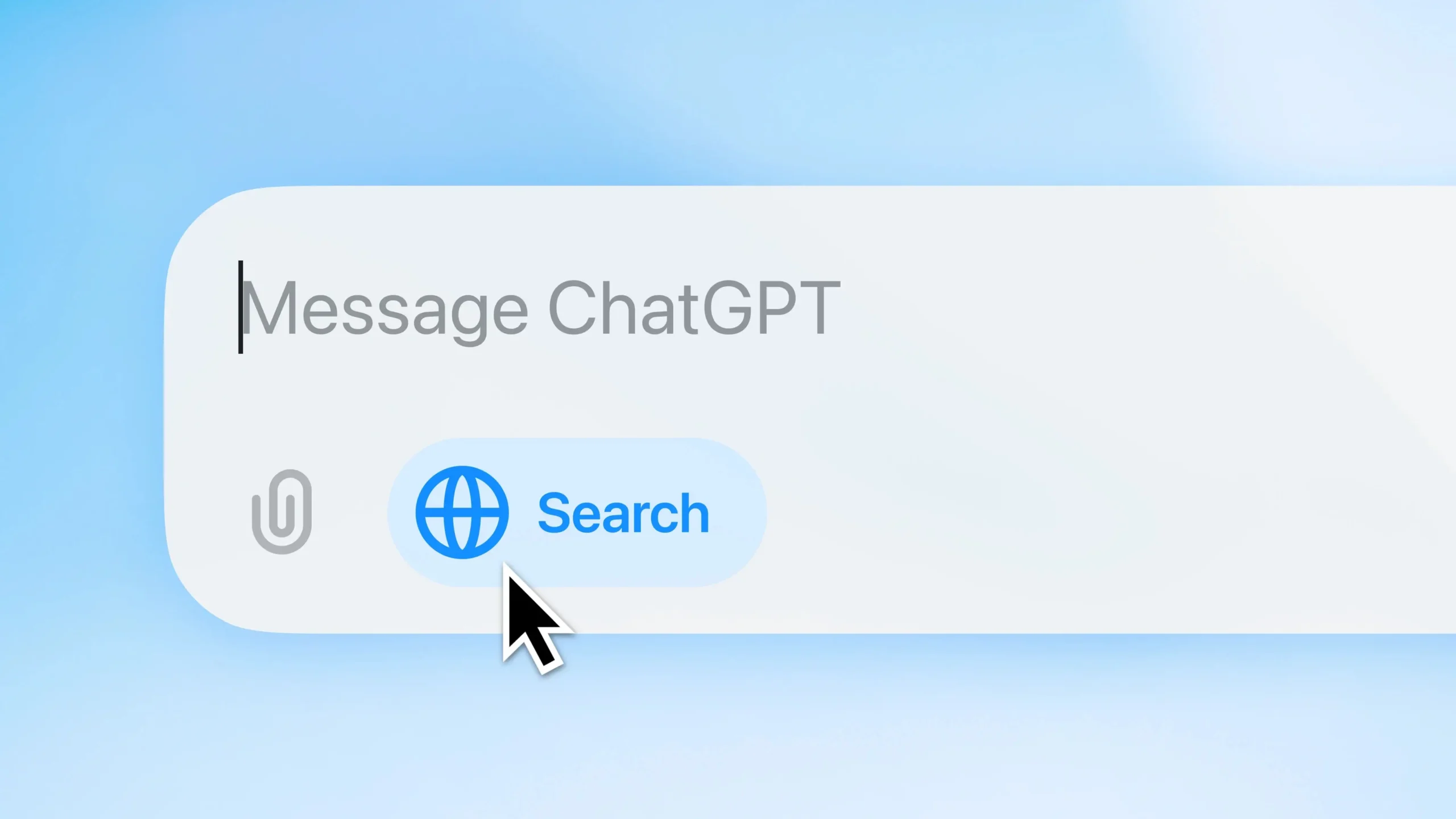
ChatGPT started as a chatbot that answered from what it learned during training. That meant it didn’t know about recent events. In October 2024, OpenAI added a search feature that pulls live information from the web and shows source links with the answer.
Think of it like asking a smart friend who goes and reads a few pages for you, then explains what they found. You can then ask follow-up questions in plain language, like “okay, but explain it simpler” or “what about for India?”
What Is Google Search (and Why It’s Not the Same Old Google)?
Google Search is still built on a huge index of the web that it keeps crawling and updating. But it has changed a lot:
-
AI Overviews put an AI-written summary above the normal results.
-
AI Mode (launched in May 2025) lets you ask longer questions and follow up in a chat-style flow, with links to sources (learn more about how this impacts local discovery in our guide on how AI mode impacts local SEO).
So the real 2026 matchup isn’t “chatbot vs old search engine.” It’s two products moving toward each other from opposite sides.
ChatGPT Search vs Google Search: Side-by-Side
| Feature | ChatGPT Search | Google Search |
| Core experience | Conversation | Search box + results page |
| Output | One written answer with source links | Links, snippets, images, videos, maps, AI summary |
| Follow-up questions | Remembers context very well | Better with AI Mode, weaker in classic search |
| Freshness | Good, but depends on what it retrieves | Strongest, thanks to constant crawling |
| Shopping & local | Limited | Excellent (listings, prices, maps, reviews) |
| Best at | Explaining, brainstorming, planning, drafting | Finding, verifying, buying, navigating |
| Main risk | Confident-sounding mistakes | Information overload and ad clutter |
6 Key Differences That Actually Matter
1. You search differently
On Google, you learn to type in “keyword language,” like best laptop under 60000 2026. On ChatGPT, you talk the way you’d talk to a person: “I’m a student, I edit videos sometimes, my budget is 60,000. What should I look at?”
Same need, very different feel.
2. ChatGPT gives answers. Google gives options.
ChatGPT reads the sources and writes you one combined response. Google hands you the sources and lets you decide. That’s faster with ChatGPT. But it also means you’re trusting one summary instead of comparing several pages yourself.
3. Follow-ups feel natural in ChatGPT
Ask ChatGPT “what about the cheaper option?” and it knows what you mean. Classic Google often treats it as a brand-new search. Google’s AI Mode is closing this gap, but ChatGPT is still smoother for long back-and-forth research.
4. Google is stronger for fresh and local info
Flight status, today’s weather, a shop’s opening hours, or a live score? Google has the edge here. Its crawler and its maps, shopping and local data have been built over more than two decades.
5. Both can be wrong, but in different ways
When ChatGPT gets something wrong, it usually sounds confident about it. When Google gets something wrong, you can often spot it because you see multiple sources disagree. Either way, check anything important. Neither tool can independently confirm that a fact is true.
6. The energy cost is different
A 2024 Goldman Sachs report estimated one ChatGPT query uses nearly 10 times the electricity of a Google search. But measuring AI energy use is messy, and Google has now put AI into its own results too. So treat this as a rough guide, not a final verdict.
Where ChatGPT Search Wins
-
Explaining hard topics simply. “Explain GST input credit like I’m new to business” is a ChatGPT-style question.
-
Comparing options. It can weigh pros and cons across several sources and give you a clean summary.
-
Planning. Trips, study plans, content calendars, launch checklists.
-
Writing help. Emails, outlines, captions, first drafts.
-
Staying in flow. You don’t bounce between tabs. You just keep asking.
Where Google Search Wins
-
Buying anything. Prices, offers, reviews, delivery options and local stores all live in Google’s ecosystem.
-
Going to a specific site. If you want a brand’s website, Google gets you there in one click.
-
Local searches. “Pharmacy open now near me” isn’t a ChatGPT job.
-
Breaking news and live data. Scores, stock moves, weather, traffic.
-
Seeing multiple viewpoints. Browsing different sources helps when the topic is sensitive or high-stakes.
What the 2026 Numbers Say
According to First Page Sage’s November 2026 report:
-
ChatGPT now handles about 19% of digital queries in their model, up from roughly 1.4% in early 2023.
-
OpenAI reported about 1.2 billion weekly users in late September 2026.
-
People spend much longer per session on ChatGPT (about 13m 47s) than on Google (about 6m 04s), which suggests deeper, more conversational use.
-
By intent, Google leads transactional queries at about 85% and navigational queries at about 93%. ChatGPT leads generative and creative queries at about 66%.
-
By age, 13 to 24-year-olds give ChatGPT about 20% of their queries, versus about 6% for people 65 and above.
One thing to keep in mind: different trackers measure different things. For example, Statcounter shows Google at about 91% of the traditional search engine market in August 2026. That’s a different question from “where do people ask questions overall.” So don’t panic when you see two different numbers. Just check what each one is measuring.
The takeaway: Google isn’t losing. People are just splitting their questions between the two tools. ChatGPT is taking more of the “help me understand or create” queries. Google is keeping most of the “help me find or buy” ones.
Can ChatGPT Replace Google Search?
Not today. And probably not completely.
Google still has the bigger index, stronger local and shopping data, and years of trust as the default. ChatGPT has the better conversation. What’s more likely is a mix: people use both, and the products keep borrowing from each other.
Which One Should You Use? (Cheat Sheet)
| If you want to… | Use |
| Understand a new topic quickly | ChatGPT |
| Compare 3 to 4 options with reasoning | ChatGPT |
| Plan a trip or study schedule | ChatGPT first, then Google for bookings |
| Check live prices or compare deals | |
| Find a nearby shop, clinic or restaurant | |
| Read breaking news | |
| Reach a specific website | |
| Research for a report or blog | ChatGPT to outline, Google to verify and cite |
| Get a quick summary of a long topic | ChatGPT |
How to Get Better Answers From Both
For ChatGPT:
-
Add context: who you are, what you need, and your location (for example, “in India”).
-
Ask it to show sources, then actually open them.
-
Ask “what might be wrong or missing in this answer?”
For Google:
-
Use quotes for exact phrases.
-
Add “site:” to search within a website.
-
Try AI Mode for long, multi-part questions.
What This Means If You Run a Website or Business
This part matters more than most people realise. If people now ask ChatGPT “which digital marketing agency is good for small businesses?” or “best CRM for a 10-person team,” the answer might never show a traditional results page at all.
That means your goal is changing from only “rank on Google” to “get mentioned and cited by AI answers too.” Here’s what helps (discover more strategies in our breakdown of Generative Engine Optimization):
-
Publish clear, useful, original content that answers real questions.
-
Use simple headings, short paragraphs and direct answers near the top.
-
Back up claims with data and cite your sources.
-
Keep your brand name, services and details consistent across the web.
-
Keep ranking on Google. The strong pages there often feed AI answers too.
This idea is called Generative Engine Optimization (GEO). It’s an add-on to SEO, not a replacement.
FAQs
Is ChatGPT search better than Google?
Neither is better at everything. ChatGPT is better for explanations and planning. Google is better for fresh, local and shopping searches.
Is ChatGPT search free?
ChatGPT offers search in its product, but plans and limits can change. Check OpenAI’s current pricing page before relying on any specific plan.
Is ChatGPT search accurate?
It’s often useful but can make mistakes. Always verify important facts like medical, legal, financial or news details using the source links.
What is Google AI Mode?
It’s a Gemini-powered Google Search experience that lets you ask complex questions, follow up in a chat-style flow, and see links to web sources.
Will ChatGPT kill SEO?
No. It’s changing how people discover content, but websites still need to rank, earn trust and be cited. SEO and GEO work best together.
The Bottom Line
The smartest way to search in 2026 isn’t picking a side. Use ChatGPT when you want to understand and decide. Use Google when you want to find, verify and buy. And for anything that matters, use both.
Want your brand to show up in both Google results and AI answers? Talk to the team at Digimastreys about a search strategy built for 2026.

SURBHI THAPA
Surbhi Thapa is an SEO specialist focused on SEO strategy and content optimization.
Surbhi Thapa is an SEO specialist focused on SEO strategy and content optimization.