






The way people search on Google is changing faster than ever. If you have noticed shifts in your web traffic or wondered how generative artificial intelligence is reshaping the web, you are not alone. Google AI Mode is here, and it is completely transforming search engine optimization.
Let us break down what Google AI Mode is, how it works, and what you need to do to keep your website visible.
What Is Google AI Mode?
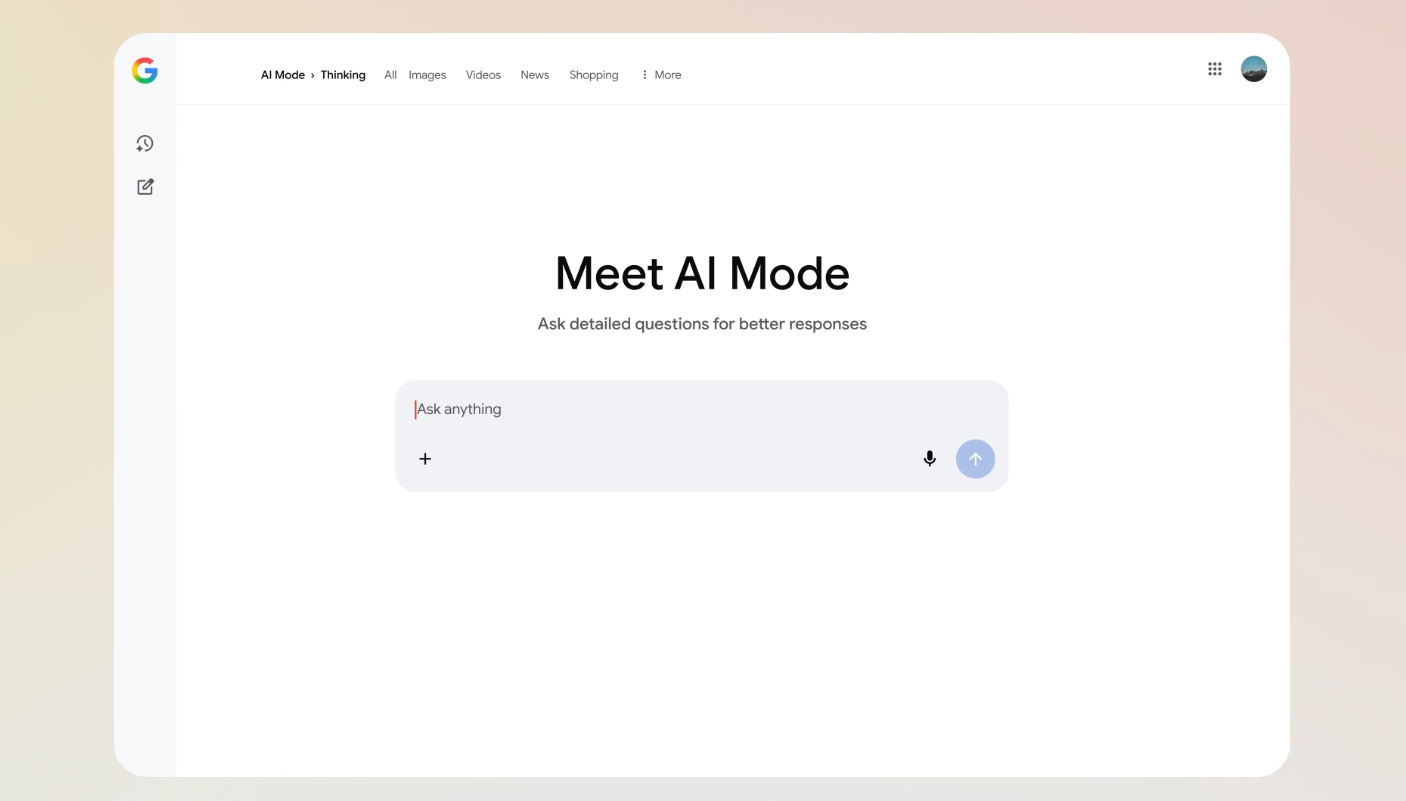
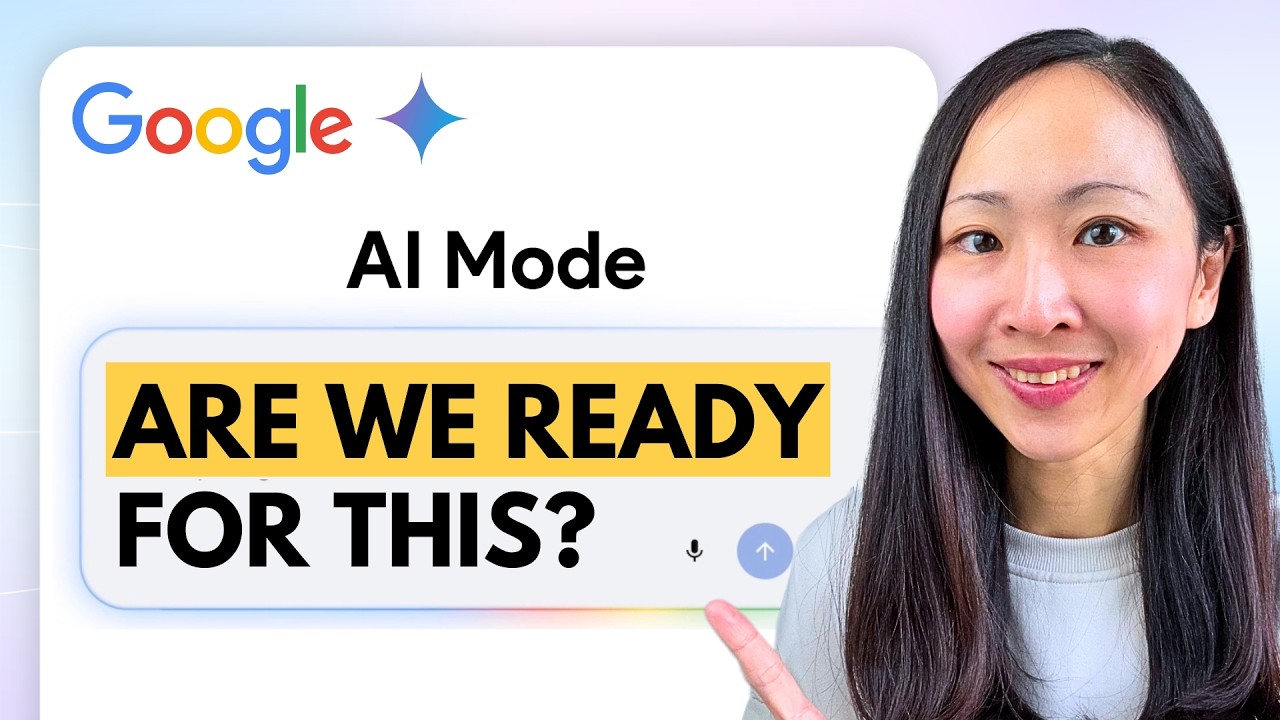
Google AI Mode is an end-to-end, conversational search experience powered by custom versions of Gemini. Think of it like ChatGPT or Claude built directly into Google.
Unlike traditional search results that greet you with the familiar ten blue links, AI Mode gives you a direct, synthesized answer. It still cites its sources and mentions helpful brands, but the traditional grid of organic links is gone.
Back in 2024, Google CEO Sundar Pichai urged the company to move faster and focus heavily on unlocking the benefits of AI. AI Mode is the direct result of that push. After spending time in Google Labs, it rolled out to the public, challenging digital marketers and site owners to rethink their strategies.
AI Mode vs. AI Overviews: What is the Difference?
While both features use Google’s advanced AI technology, they operate quite differently:
-
Where They Live: AI Overviews pop up right inside your regular Google search results page. AI Mode, on the other hand, is a dedicated conversational tab or experience.
-
The Layout: AI Overviews show summary text at the top, followed by the classic blue links below. AI Mode gives you an immersive chat interface with zero traditional organic links in the main view.
-
Citations: Both provide source links, but AI Mode acts more like a research assistant, pulling information from multiple sources on the web to craft a single, comprehensive response.
Because AI Overviews have already slashed click-through rates (CTR) by over 30% across many industries, a zero-link environment like AI Mode means website owners have to focus just as much on brand visibility and citations as they do on raw clicks.
How Does Google AI Mode Work Under the Hood?
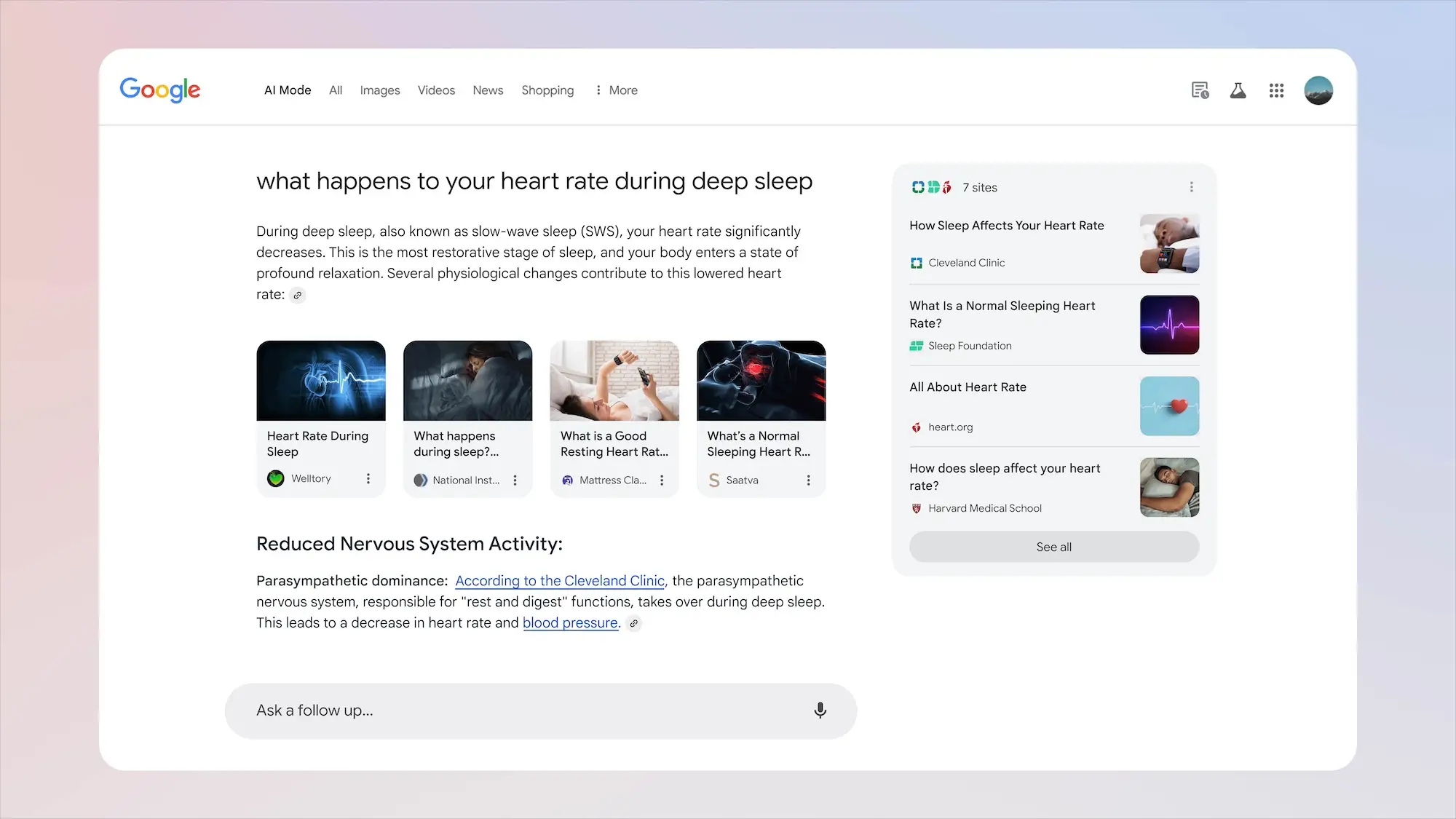
AI Mode is smart because of how it processes your questions. It does not just run a single keyword search and summarize the top result.
Instead, it uses a fan-out technique. When you type in a complex question, the system instantly fires off multiple sub-queries behind the scenes to gather every angle of information.
It also ties into specialized capabilities:
-
Deep Research: Pulls together detailed reports with citations for complex projects.
-
Live Multimodal Search: Understands real-time queries using audio and video inputs.
-
Agentic Tasks: Helps users complete multi-step actions, like booking tickets or purchasing products.
-
Shopping and Personal Context: Pulls data from Google’s Shopping Graph or connected apps like Gmail to personalize answers.
Even with all this advanced tech, AI Mode still relies on Google’s core ranking systems. It looks at helpful content standards, structured data, and real-time indexing to decide which websites deserve a citation. For more details on technical adjustments, check out our guide on technical SEO for AI search.
How AI Mode Impacts SEO
If you work in digital marketing, you are likely already feeling the ripple effects. Here is how AI Mode changes the game:
1. Visibility Becomes All-or-Nothing
Without ten blue links on the page, the rules of engagement change. Either the AI cites your brand in its response, or you stay invisible. Winning those citation spots requires strong brand authority and clear, easy-to-read content.
2. Traffic Dips, But Quality Rises
Many websites have seen organic traffic drop anywhere from 20% to 60% as AI features answer questions directly on the search page. However, the visitors who do click through your citation links are usually much more qualified. Because the AI has already answered their basic questions, they arrive on your site with high intent.
3. Analytics Get Trickier
Google Search Console tracks impressions and touchpoints from AI features, but separating traditional search traffic from AI Overviews and AI Mode is still a puzzle. To understand how to monitor this data, read our breakdown on Google Search Console AI click data.
Three Steps to Adapt Your SEO Strategy for AI Mode
You do not need to panic about AI search; you just need to update your playbook. Here is how to stay ahead:
Reset Executive Expectations
If your leadership team is expecting the exact same traffic curves as 2023, it is time for a reality check. Total session volume might go down, but brand awareness and conversions can still climb if you focus on the right metrics. Track assisted conversions and brand mentions rather than obsessing over raw clicks alone.
Expand from SEO to Omnichannel Optimization
Search is no longer just about Google. People are finding answers on ChatGPT, Perplexity, Claude, and social media platforms. To capture traffic everywhere your audience hangs out, you need to practice Search Everywhere Optimization. Dive deeper into this shift with our generative engine optimization guide.
Master the SEO Fundamentals
AI engines love clean, structured, and trustworthy data. To make sure the AI can read and cite your site easily:
-
Make sure your website’s technical setup allows Google’s crawlers full access.
-
Use accurate schema markup (like Article, Product, and LocalBusiness JSON-LD) so search engines understand your pages instantly.
-
Write original, human-first content backed by real data, personal experience, and clear examples.
-
Keep your local listings polished and active, especially if you serve local clients (learn more in our piece on how AI mode impacts local SEO).
Frequently Asked Questions
How does Google AI Mode affect website traffic?
Because AI Mode answers user questions right inside the chat interface, people do not need to click through to a website as often. This generally leads to lower raw traffic numbers for traditional publishers.
What ranking signals matter most in AI Mode?
AI Mode relies on core helpful content systems, real-time web indexing, Knowledge Graph entities, and valid structured data to figure out which sources to trust and link to.
How should businesses measure SEO success now?
Instead of looking only at traffic volume, modern marketers measure success through brand citation frequency, visibility share in AI answers, and the quality of user engagement on their site.

VIKAS VERMA
Vikas Verma is an SEO specialist and web designer focused on SEO strategy, website design, and digital experiences.
Vikas Verma is an SEO specialist and web designer focused on SEO strategy, website design, and digital experiences.