








In search engine optimization, technical tricks come and go, but one core element determines whether your content survives major algorithm updates: trust.
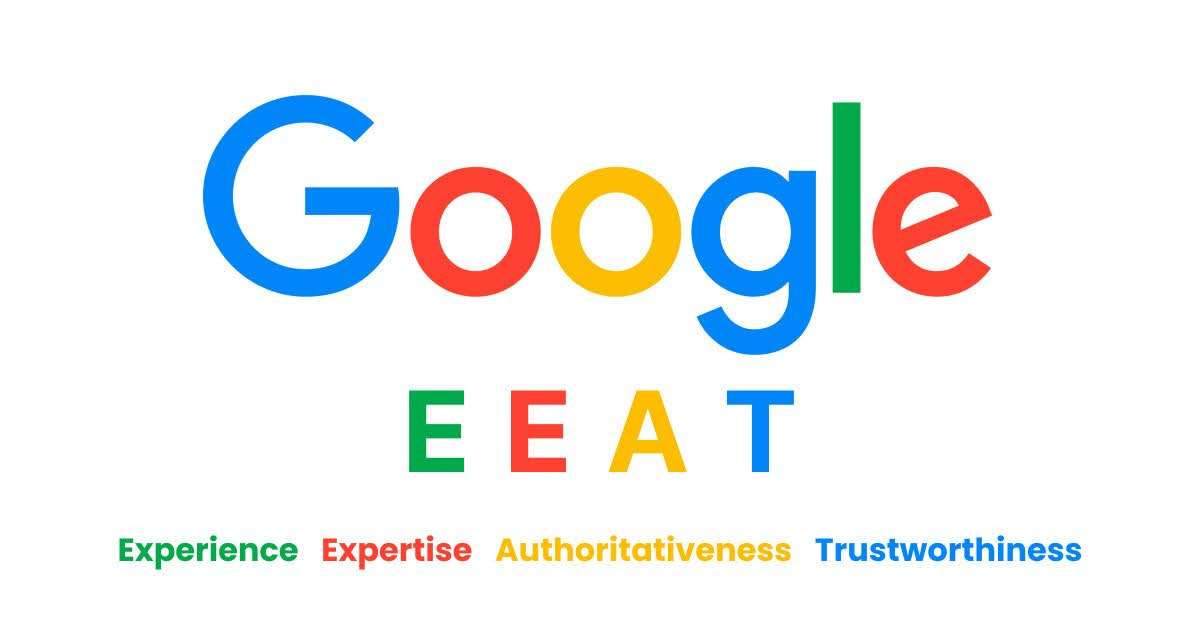
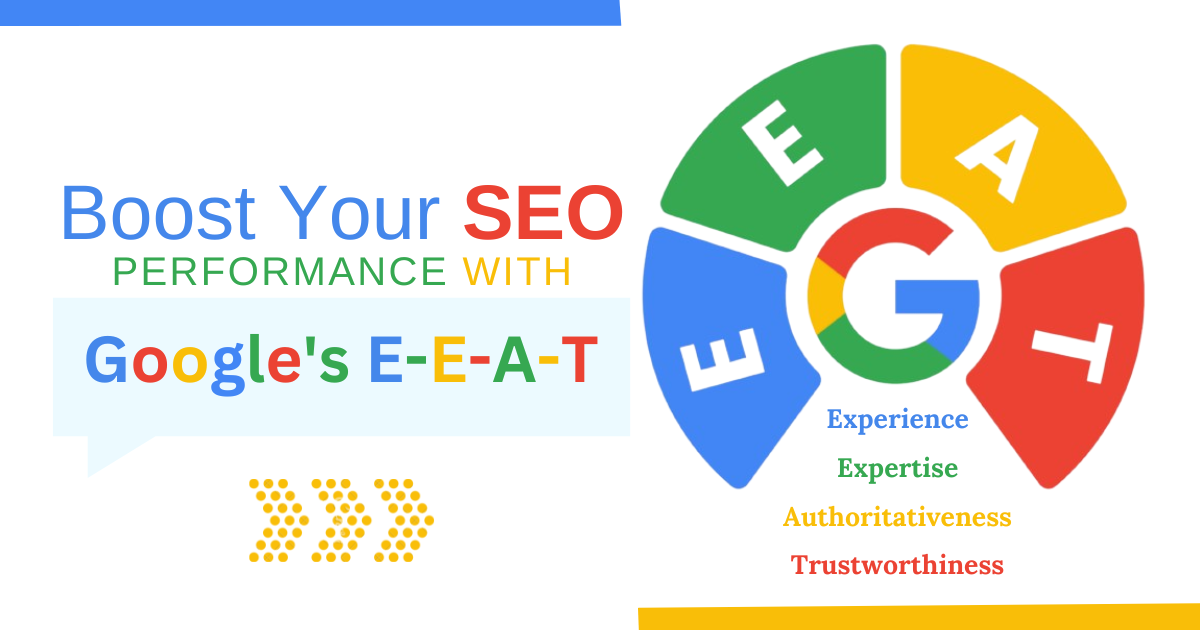
EEAT SEO stands for Experience, Expertise, Authoritativeness, and Trustworthiness. It is a key framework used by Google quality raters to evaluate search quality, helping search engines distinguish genuine, helpful content from low-quality web pages.
[Image: Overview diagram explaining the four pillars of experience expertise authoritativeness and trustworthiness | alt: eeat seo framework]
Pro Tip: Think of E-E-A-T not as a quick SEO fix, but as a long-term branding framework that protects your site against algorithm shifts.
Key Takeaways
-
E-E-A-T is not a direct algorithmic ranking factor, but a quality evaluation framework.
-
Trustworthiness is the central and most critical pillar of the E-E-A-T model.
-
Experience was added in late 2022 to highlight practical, first-hand knowledge.
-
YMYL websites face much stricter evaluation standards due to potential real-world harm.
-
Transparent author credentials, schema markup, and external citations directly boost trust.
What Is E-E-A-T?

Google introduced E-A-T in its Search Quality Evaluator Guidelines years ago. In December 2022, Google officially updated the concept by adding an extra E for Experience.
This model helps human raters evaluate how well a search result delivers real value to users. Understanding each element is essential for any modern content strategy.
Experience Experience refers to the author’s hands-on, first-hand involvement with the subject matter. It answers a simple question: Has the creator actually used the product, visited the place, or tested the method?
For example, a travel article written by someone who personally spent two weeks backpacking through Japan demonstrates real experience. The writer can share real photos, specific local tips, and authentic observations that cannot be scraped from other websites.
Google added Experience because AI tools and content farms began publishing thousands of generic articles. Readers and search engines both prefer insights from people who have genuine real-world experience.
Expertise Expertise focuses on formal knowledge, skill, and credentials. It asks whether the author possesses the necessary educational or professional background to speak on a topic.
For example, a financial article detailing complex tax strategies demonstrates expertise when written by a Certified Public Accountant (CPA).
Expertise is especially critical in technical, scientific, or legal domains where incorrect information can lead to severe consequences.
Authoritativeness Authoritativeness measures your standing as a recognized source of truth within your industry. It reflects how much other experts, publications, and users rely on your site.
For example, when major news outlets cite your industry studies or link to your research, your site builds strong topical authority.
Building authority requires consistent publishing of accurate content, earning high-quality backlinks, and earning positive mentions across the web.
Trustworthiness Trustworthiness is the central pillar of the entire framework. Without trust, high experience, expertise, and authoritativeness lose their value.
For example, an e-commerce website must feature secure HTTPS protocols, transparent contact information, clear return policies, and accurate product details to be considered trustworthy.
If a site feels deceptive, insecure, or misleading, Google quality raters flag it as low quality regardless of author credentials.
[Image: The four pillars of E-E-A-T connected to central Trust | alt: four pillars of eeat seo]
Pro Tip: Audit your existing content to ensure every post clearly highlights first-hand experience alongside professional expertise.
Why EEAT SEO Matters in 2026
The search landscape is changing rapidly. With the rise of AI-driven search features and advanced quality updates, proving content quality is more vital than ever.
AI Overviews and generative search engines extract answers directly from verified sources. Search engines prioritize sites with clear authority when synthesizing answers for users.
Sites with poor quality metrics are routinely filtered out of these AI-generated answer panels. Understanding generative engine optimization guide concepts helps bridge the gap between traditional search and AI discovery.
Google quality rater guidelines place heavy emphasis on rewarding content written for human users rather than search engines. Recent spam updates explicitly target thin, automated content created without real human oversight.
Publishing helpful, reliable content backed by real experts ensures your site stays safe during core updates. Sites that focus on depth and accuracy consistently outrank low-effort competitors.
Pro Tip: Optimize your site for both traditional search and generative engines by structuring facts clearly and citing primary industry sources.
What Is YMYL SEO?
YMYL stands for Your Money or Your Life. It refers to topics that directly impact a reader’s health, financial stability, safety, or overall well-being.
Because bad information on YMYL topics can cause financial ruin or physical harm, Google applies significantly stricter quality standards to these pages.
Common YMYL Categories
-
Health and Safety: Medical advice, mental health guidance, pharmaceuticals, hospital recommendations, and emergency preparedness.
-
Finance: Investment advice, retirement planning, taxes, loans, banking, insurance, and credit management.
-
Legal and Civic: Voting information, legal processes, adoption services, government regulations, and social policies.
-
News and Public Information: Major current events, political developments, international news, and official announcements.
-
E-commerce and Transactions: Online stores, payment processing pages, and financial transfer tools.
For non-YMYL pages, casual experience might be enough. However, YMYL SEO demands high formal expertise, certified authors, peer-reviewed facts, and robust site security.
If your website operates within a YMYL niche, earning maximum trust is non-negotiable for long-term organic growth.
[Image: YMYL topic categories diagram including health, finance, and legal | alt: ymyl seo categories breakdown]
Pro Tip: If you publish YMYL content, have every piece explicitly reviewed by a credentialed professional before hitting publish.
How to Improve EEAT: Step-by-Step Guide

Improving your site standards requires systematic changes across content creation, author branding, and technical site management. Follow these actionable steps on how to improve eeat across your digital footprint.
Step 1: Create Detailed Author Bios and Highlight Credentials
Anonymous content fails to build confidence. Readers and search raters need to know who wrote the piece and why they should be trusted.
-
Add complete author bios at the bottom of every article, including full names, job titles, and background context.
-
Dedicated author pages should link to active social media profiles, professional certifications, and external publications.
-
Highlight real-world industry experience directly inside the biography text.
Step 2: Showcase First-Hand Experience and Original Data
Generic summaries cloned from top search results no longer rank well. Inject unique data, real tests, and personal insights into your articles.
-
Include original photos, video demonstrations, screenshot walkthroughs, or case studies.
-
Explain the methodology behind your conclusions, sharing what worked and what failed.
-
Share unique surveys or proprietary research data to establish your business as a primary source.
Step 3: Implement Formal Expert Content Reviews
If your main writers lack official credentials in YMYL topics, hire certified professionals to review your material.
-
Feature a clear Reviewed by line at the top of your content alongside the primary author line.
-
Link the reviewer’s name to a dedicated bio page displaying their legal or medical certifications.
-
Include a brief statement explaining the editorial check process for accuracy.
Step 4: Cite Authoritative Primary Sources
Back up every major claim, statistic, or study reference with outbound links to reputable databases and official organizations.
-
Reference peer-reviewed journals, government publications, official statistics, or industry leaders.
-
Avoid linking to unverified blogs or secondary roundup articles that lack original sources.
-
Anchor your external links naturally to descriptive phrase text rather than generic click here labels.
Review guidelines on Google Search Central for creating helpful content to ensure your sourcing matches official recommendations. Also review the Google Search Quality Evaluator Guidelines and the official Google Search Central Blog for full details.
Step 5: Earn High-Quality Backlinks and Digital PR
Backlinks remain a powerful vote of confidence. Links from established websites signal strong industry recognition.
-
Publish deep research, original data reports, and expert commentary that naturally attract editorial links.
-
Reach out to industry podcasts, news portals, and trade publications for expert interview features.
-
Explore detailed guides on do backlinks still matter seo to refine your digital PR strategy.
Step 6: Monitor and Build Unlinked Brand Mentions
Search engines track mentions of your brand and authors across the web, even when those mentions do not include direct hyperlinking.
-
Host industry events or publish whitepapers that generate discussions on external forums and news portals.
-
Respond to journalists seeking expert quotes using professional outreach platforms.
-
Track brand mentions using online monitoring software and request link additions where appropriate.
Step 7: Build Transparent About, Contact, and Editorial Policy Pages
Trust starts with basic organizational transparency. Hide nothing about who runs the website.
-
Publish an extensive About Us page detailing your company history, mission statement, and physical office location.
-
Provide accessible contact options including corporate email addresses, phone numbers, and physical address details.
-
Create a clear Editorial Policy page explaining your factual correction processes, reviewer standards, and ethics.
Step 8: Manage Online Reviews and Brand Reputation
What people say about your business outside your website directly influences your overall credibility profile.
-
Claim and optimize your Google Business Profile, Trustpilot, and relevant niche review platforms.
-
Respond professionally to both positive and negative reviews, demonstrating active customer care.
-
Implement structured reviews and local SEO strategies by reading our local seo ai search strategy 2026 guide.
Step 9: Secure Your Website and Prioritize HTTPS Protocols
Technical security forms the foundation of online trustworthiness.
-
Install valid SSL certificates across your entire domain to ensure HTTPS encryption.
-
Resolve broken links, redirect loops, and server error codes promptly.
-
Ensure seamless mobile responsiveness and fast page loading speeds to reduce user bounce rates.
Follow our technical seo checklist 2026 and technical seo ai search guide to audit your site infrastructure for hidden technical vulnerabilities.
Step 10: Maintain Content Freshness with Regular Audits
Outdated information damages credibility, especially in rapidly evolving markets like technology, finance, or law.
-
Schedule quarterly content audits to update obsolete facts, broken links, and old stats.
-
Display both the Original Publication Date and the Last Updated Date clearly on every post.
-
Remove or rewrite outdated posts that no longer deliver value to search users.
Learn how major site updates affect visibility in our analysis of the Google September 2026 spam update impact recovery.
Step 11: Implement Schema Markup for Entities
Structured data helps search engines understand the connections between your content, authors, and organization.
-
Add Person schema markup to author profiles, defining their social links, job titles, and affiliations.
-
Implement Organization schema markup on your homepage, detailing official contact points and logos.
-
Use Article schema on post pages to highlight publication dates, author entities, and publisher information.
Consult the official Google article structured data documentation and review schema guidelines at Schema.org Person to configure correct markup.
[Image: Steps for improving site trust through technical schema and content updates | alt: step by step guide how to improve eeat]
Pro Tip: Start your improvements with author bios and About Us transparency. These fixes require minimal development effort but yield immediate credibility gains.
EEAT Checklist
Use this practical checklist to verify whether your website meets essential quality standards:
Content and Authorship
-
Every article displays a visible author name, photo, and bio.
-
Author pages detail real credentials, education, and social links.
-
Articles include original images, hands-on tests, or direct experience notes.
-
YMYL topics feature an explicit expert reviewer note.
-
Statistics cite primary research and official publications.
-
Content displays clear publication and updated timestamps.
Site Transparency and Reputation
-
Homepage links to a detailed About Us page.
-
Contact page lists physical address, phone, and official email.
-
Dedicated page outlines Editorial Policies and fact-checking standards.
-
Privacy Policy and Terms of Service are easily accessible in the footer.
-
Business responds regularly to customer reviews on third-party sites.
Technical Security and Structured Data
-
Website uses HTTPS encryption throughout.
-
Pages load quickly and render cleanly on mobile devices.
-
Person schema markup is implemented for all content creators.
-
Organization schema markup is verified on the homepage.
-
Article schema markup is present on all blog posts.
Pro Tip: Keep a printed copy of this checklist for your content team to review before publishing every new article.
Common EEAT Mistakes to Avoid
Many site owners attempt to shortcut quality evaluations, leading to severe performance drops. Avoid these common pitfalls:
-
Using fake author personas with stock photos or AI-generated bio descriptions.
-
Publishing high-stakes YMYL topics written by generalists without expert review.
-
Hiding company details, contact information, or editorial standards behind generic pages.
-
Neglecting negative third-party customer reviews or failing to manage platform reputation.
-
Publishing rewritten articles without adding fresh data, original analysis, or personal insights.
-
Relying on automated AI content generation without thorough human editing and fact-checking.
-
Leaving broken outdated links or referencing outdated statistical studies.
Pro Tip: Never invent credentials or fake author identities. Search quality raters can easily spot stock photo author profiles.
EEAT and AI-Generated Content
The explosion of artificial intelligence tools has made content generation easier than ever. However, AI text generators cannot experience the physical world, test products, or hold accredited degrees.
Relying entirely on unedited automated text risks violating search helpful content policies. Search engines prioritize original insights over rephrased internet summaries.
You can safely use AI tools to assist your workflow by following these guidelines:
-
Use AI for ideation, outline structuring, keyword mapping, and research drafting.
-
Have a human subject matter expert rewrite sections to inject real-world anecdotes and original testing.
-
Fact-check every statistic, quote, date, and technical claim thoroughly.
-
Apply specialized strategies detailed in our guide on ai content on page seo to maintain top quality standards.
To explore how artificial intelligence changes organic discovery overall, check our detailed comparison on geo vs seo key differences ai search and read our google ai overviews strategy 2026.
[Image: Workflow showing AI assistance integrated with human expert review | alt: ai content generation and eeat seo workflow]
Pro Tip: Use AI to handle basic research and formatting, but require human experts to write the final conclusions and practical takeaways.
Tools to Audit and Measure EEAT
While no single software tool generates an official E-E-A-T score, several platform tools help analyze components of trust, authority, and site health.
-
Google Search Console: Tracks search queries, indexing status, and site performance metrics directly from search logs.
-
Schema Markup Validator and Rich Results Test: Verifies that Person, Organization, and Article structured data render correctly.
-
Brand Monitoring Tools: Monitors web mentions of your company, authors, and brand entities to measure off-page reach.
-
SEO Audit Platforms: Evaluates backlink quality, site security issues, broken links, and technical health metrics.
Select the right platforms for your site by reading our review of the best seo audit tools 2026.
Additionally, integrate comprehensive analytical research processes outlined in our seo keyword analysis guide to identify search intent gaps.
Pro Tip: Set up monthly brand alerts for your site name and key authors to track your growing digital footprint.
Real-Life Examples
Let us look at a realistic scenario showing how applying structured quality principles changes an online publishing business.
Before Optimization A digital publisher runs a personal finance blog covering mortgage rates and investment strategies. Articles are published anonymously or credited to a general Admin account.
Content consists of summaries paraphrased from financial news sites. The site lacks an editorial policy, contact information is hidden behind a simple form, and outbound links point to low-quality blogs.
As a result, algorithm updates significantly reduce organic traffic. The site loses positions because search evaluators flag it as an untrustworthy YMYL source.
After Optimization The site owner conducts a complete quality overhaul. They update author bios, attributing posts to a qualified financial advisor with fifteen years of industry experience.
They add a Reviewed by line with links to a certified financial planner for high-stakes articles.
The site implements Person and Organization schema markup, creates comprehensive About and Editorial pages, and adds original calculator tools with step-by-step commentary.
Outbound links now point directly to central bank data and regulatory agencies.
The result is a steady recovery in organic traffic. The site wins top rankings, gains mentions from financial media outlets, and builds sustainable topical authority.
Pro Tip: Track before-and-after performance metrics whenever you update author profiles or add expert review badges.
Frequently Asked Questions
Is E-E-A-T a direct Google ranking factor?
No, it is not a direct algorithmic ranking factor like page speed or backlinks. Instead, it is a conceptual framework Google uses to train human quality raters and refine algorithm systems to recognize genuine site quality.
How do search quality raters evaluate websites?
Search quality raters use official guidelines to manually grade web pages. Their feedback does not directly alter an individual page rank, but helps engineers train search algorithms to surface high-quality results.
How long does it take to improve site authority?
Building authority requires consistent effort. Depending on domain history and niche competitiveness, noticeable improvements in search trust usually take between three to six months of active optimization.
Can non-YMYL sites skip these quality guidelines?
No. While YMYL websites face stricter standards, non-YMYL sites still benefit significantly from demonstrating experience, authority, and clear transparency. Every niche rewards sites that build reader trust.
Does AI content ruin your site reputation?
AI content does not automatically ruin reputation. However, publishing unedited, low-quality AI text that lacks human expertise, accurate facts, or real experience will hurt your overall site authority over time.
Conclusion
Building lasting search visibility requires more than inserting keywords into blog posts. By mastering EEAT SEO, you build a resilient digital presence that earns top organic positions and converts casual readers into dedicated brand followers.
Focus on publishing authentic content written by real experts, backing your claims with primary sources, maintaining site security, and leveraging structured data.
Whether navigating complex YMYL niches or optimizing standard business blogs, establishing trust is your ultimate competitive advantage.
Need help building your site authority and technical SEO foundation? Explore our comprehensive b2b content marketing strategy options and technical SEO services at Digimastreys to scale your traffic safely.

SURBHI THAPA
Surbhi Thapa is an SEO specialist focused on SEO strategy and content optimization.
Surbhi Thapa is an SEO specialist focused on SEO strategy and content optimization.