









Sending thousands of emails from a regular Gmail or Outlook account is a fast track to getting your domain blacklisted. Regular email providers limit daily sends, flag rapid outgoing messages, and lack the technical infrastructure needed to bypass modern spam algorithms.
A dedicated bulk email service provider (ESP) solves this by routing high-volume messages through warmed-up IP addresses, managing DNS protocols (SPF, DKIM, DMARC) based on standard IETF SMTP guidelines, and providing detailed bounce and delivery reporting. To ensure your domain infrastructure remains healthy, audit your setup using our comprehensive technical SEO checklist.
Whether you need a developer-focused sending API or a visual drag-and-drop campaign builder, this guide breaks down the top options by pricing models, deliverability, and real-world use cases.
Quick Comparison: Top Bulk Email Platforms
| Service | Best For | Standout Feature | Entry Paid Price | 100,000 Emails/Mo Cost |
| Brevo | Budget Marketing | Pay per email sent, not contacts | $9 / month | ~$35 – $65 / month |
| Amazon SES | High Volume (Tech Teams) | Lowest raw cost per email | $0 per month (Pay-as-you-go) | ~$10 – $16 / month |
| Mailtrap | Mixed Bulk & Transactional | Separate bulk/transactional IP streams | $15 / month | ~$30 / month |
| SendGrid | Scale & Hybrid Teams | Scalable API with built-in editor | $19.95 / month | ~$34.95 / month |
| Mailgun | Developers & Logging | 30-day message logs & inbound routing | $15 / month | ~$75 – $90 / month |
| Mailchimp | Design & Beginners | Pre-built templates & integrations | $13 / month | ~$350 – $800 / month |
| SendPulse | Multi-channel Messaging | Email, SMS & WhatsApp in one tool | $9.60 / month | ~$60 / month |
Breakdown of the Best Bulk Email Service Providers
1. Brevo (Formerly Sendinblue) — Best for Budget Marketing
Ideal for: Small-to-midsize businesses that want an easy campaign builder without paying for inactive contact lists.
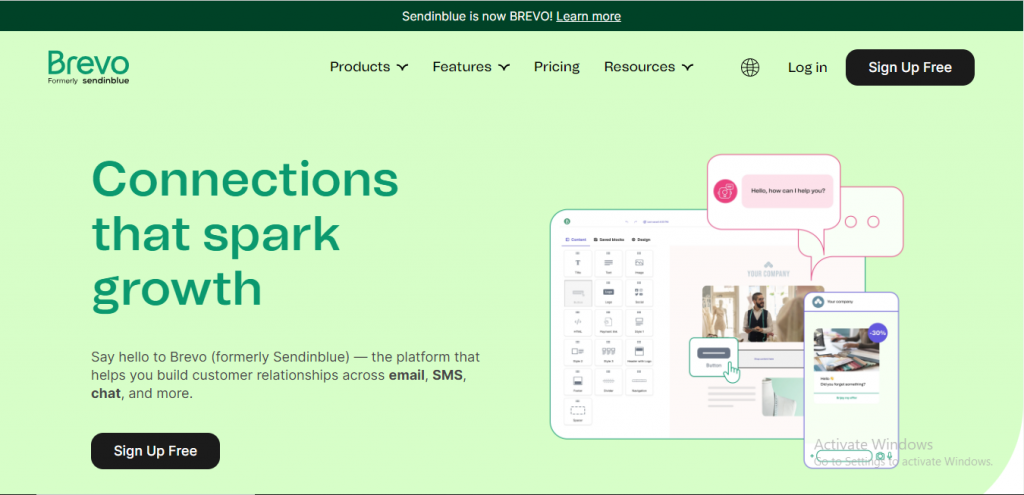
Brevo breaks away from standard industry pricing by charging for the number of emails sent rather than the number of contacts stored in your database. This means you can keep 100,000 subscribers in your account for free and only pay when you launch a campaign.
-
Key Strengths:
-
Stores unlimited contacts on all plans (including the free tier).
-
Includes dynamic visual workflow automation, transactional emails, and SMS/WhatsApp extensions.
-
Simple drag-and-drop template editor requiring zero HTML knowledge.
-
-
The Catch: Free plan limits daily sending to 300 emails per day.
-
Pricing: Free tier available. Paid plans start at $9/month.
2. Amazon SES (Simple Email Service) — Lowest Cost for High Volume
Ideal for: Developers, SaaS platforms, and engineering teams sending massive email volumes.
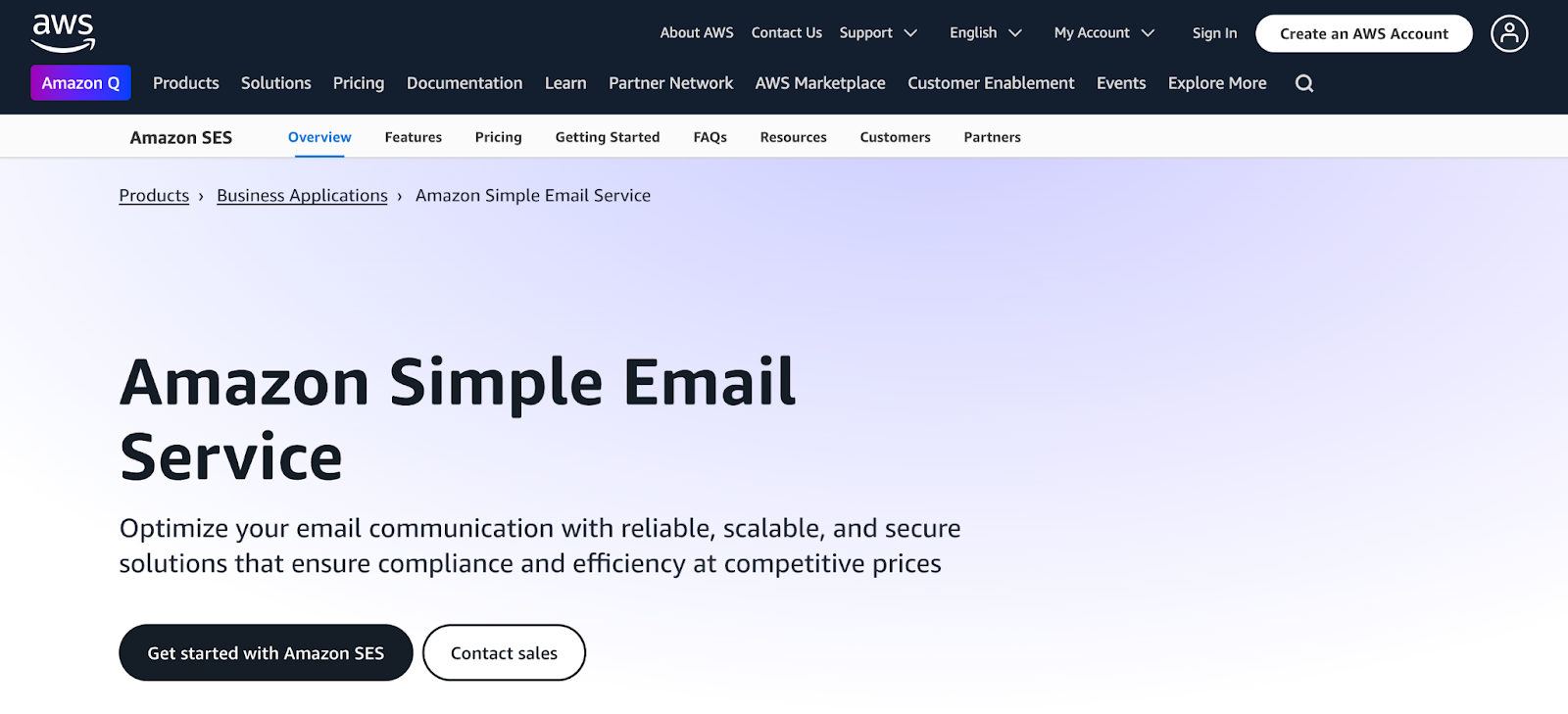
Amazon SES is raw email infrastructure backed by official AWS Simple Email Service documentation. It does not come with a template builder, contact visualizer, or email editor. However, it offers the lowest price per message on the market.
-
Key Strengths:
-
Unbeatable pricing at $0.10 per 1,000 emails sent.
-
High deliverability rates managed through AWS cloud infrastructure.
-
Virtual Deliverability Manager provides automated sender reputation tracking.
-
-
The Catch: Requires technical expertise to set up, build templates, and manage bounce handlers via API/SMTP.
-
Pricing: Pay-as-you-go ($0.10 / 1,000 emails + data bandwidth).
3. Mailtrap — Best for Separating Bulk & Transactional Streams
Ideal for: Product teams and SaaS businesses that need isolated deliverability setups.
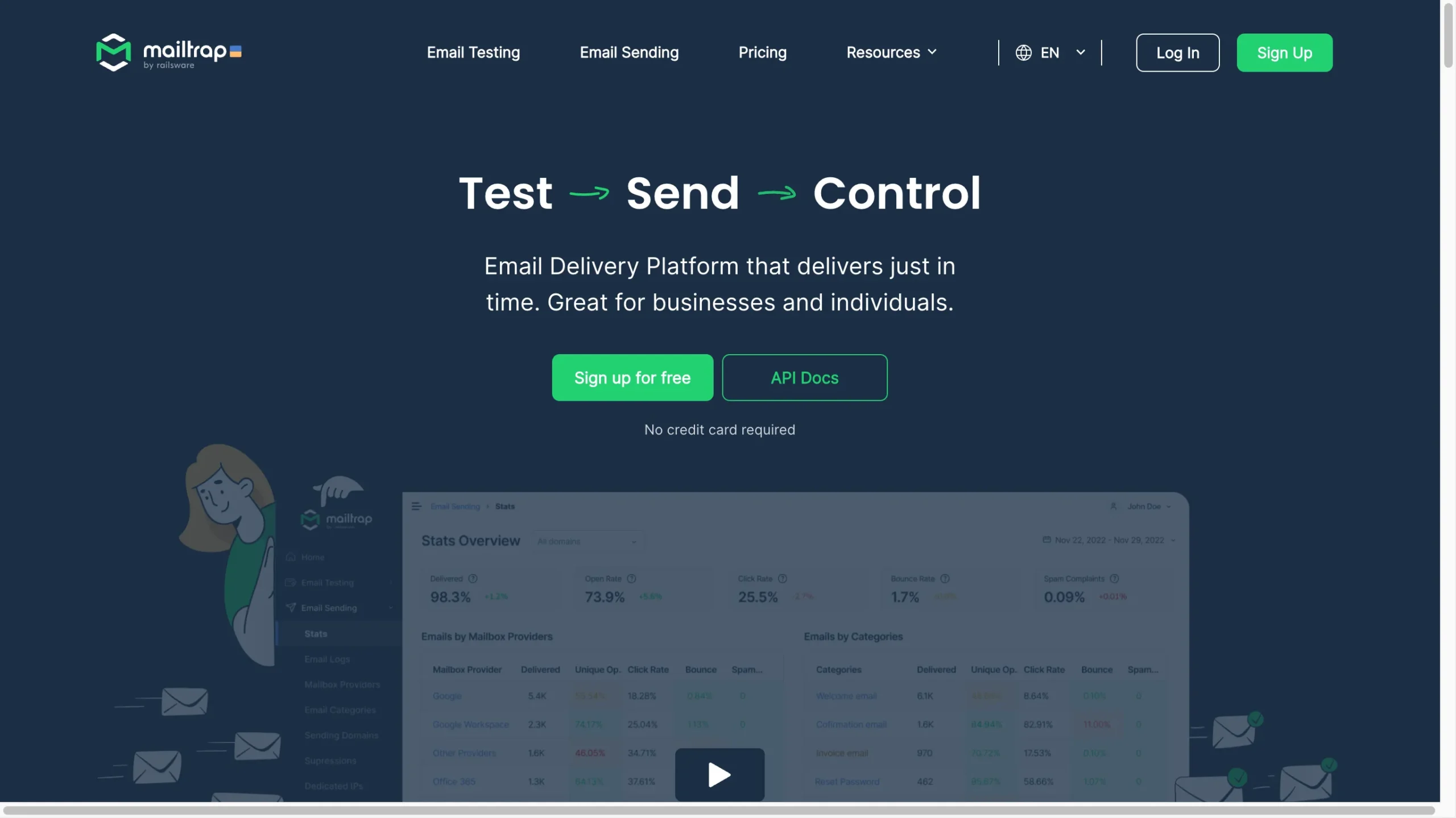
Mailtrap is built specifically to prevent bulk marketing blasts from hurting the delivery of critical transactional messages (like password resets or purchase receipts). It separates sending infrastructure into distinct streams and dedicated IP pools.
-
Key Strengths:
-
Built-in email sandbox to test bulk templates safely without sending live emails.
-
Actionable analytics showing bounce reasons, spam complaints, and domain reputations per stream.
-
Easy integration via SMTP relay or RESTful APIs.
-
-
The Catch: Marketing and API streams are priced separately, which requires reviewing send types before scaling.
-
Pricing: Free sandbox & API plan available. Paid plans start at $15/month.
4. SendGrid (by Twilio) — Best Scalable Hybrid (API + Automation)
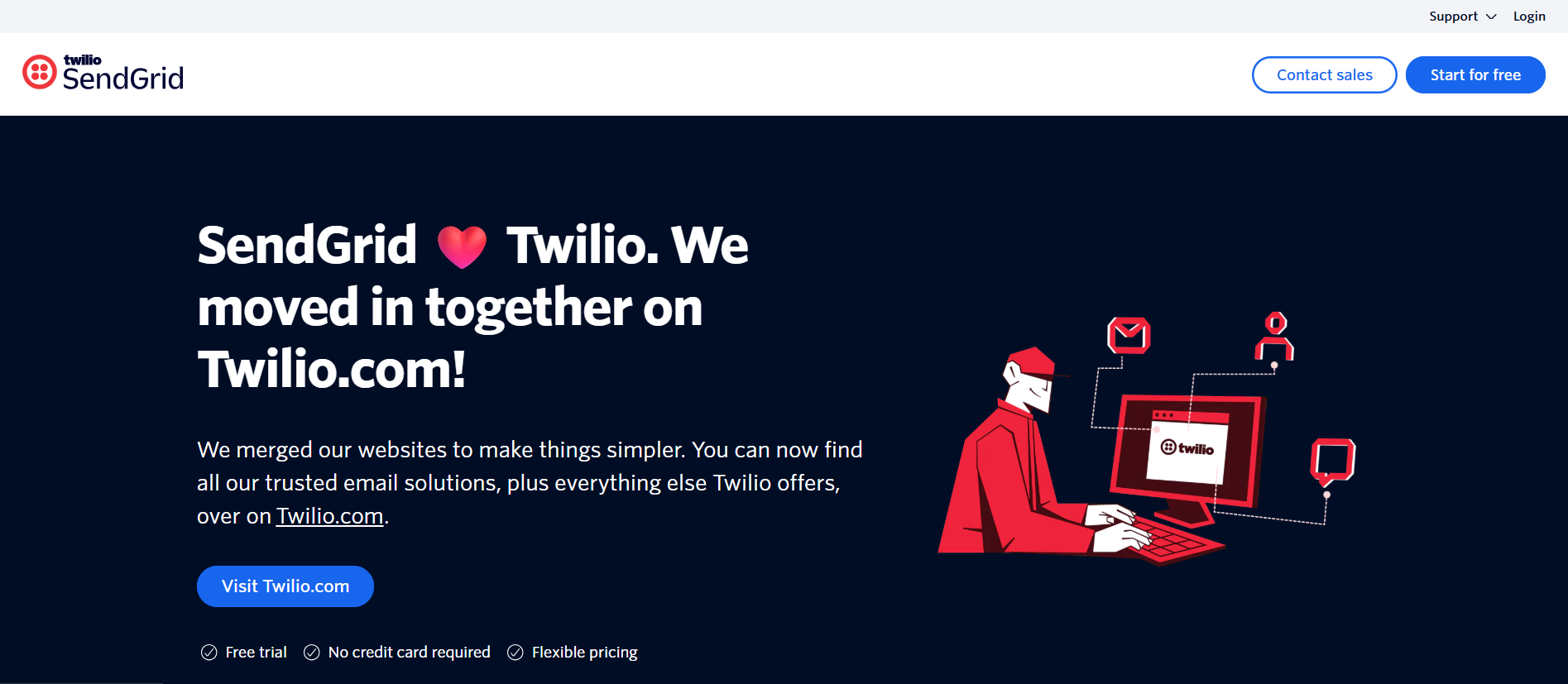
Ideal for: Rapidly growing brands needing a developer-trusted API with marketer-friendly design tools.
SendGrid bridges the gap between raw developer infrastructure and visual email design. It handles high volumes smoothly and allows engineers to send via API while marketers write campaigns using a visual builder. If you are aligning email campaigns with wider growth initiatives, check our guide on B2B content marketing strategies.
-
Key Strengths:
-
Proven deliverability rates aligned with M3AAWG Email Best Practices.
-
Supports both SMTP/API integration and visual campaign design.
-
Sub-user management lets multi-brand operations manage distinct client setup parameters.
-
-
The Catch: Pricing scales up significantly if you opt into their separate marketing campaign automation plans.
-
Pricing: Paid plans start at $19.95/month for 50,000 emails.
5. Mailgun — Best for Deep Logs and Inbound Email Routing
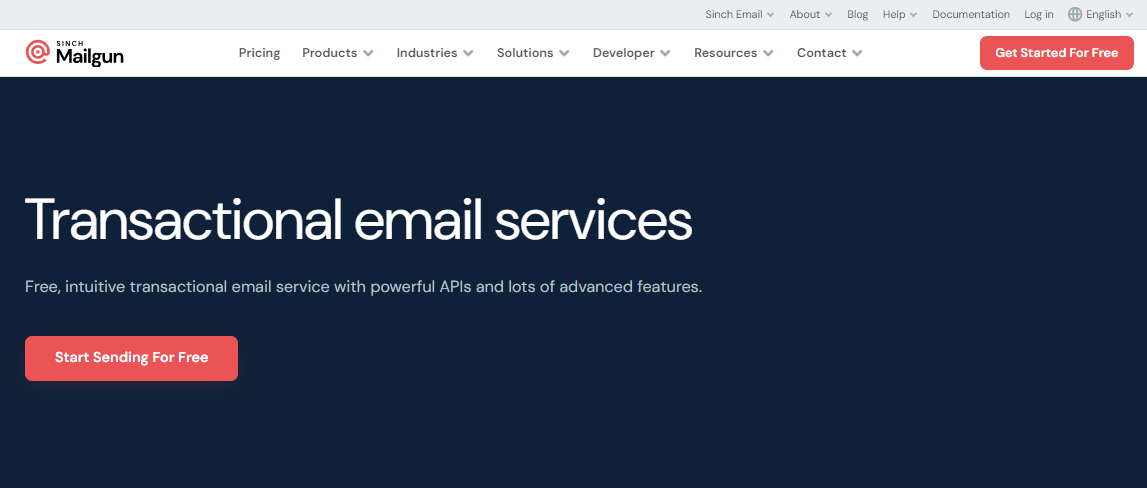
Ideal for: Technical teams that require extensive data retention and log tracking.
Mailgun focuses heavily on backend deliverability control. If an email goes missing or bounces, Mailgun provides granular diagnostic logs to locate the issue instantly.
-
Key Strengths:
-
Up to 30 days of searchable message logs on higher plans.
-
Powerful inbound email routing rules to parse incoming replies programmatically.
-
Automated email verification tools to clean lists before sending.
-
-
The Catch: Requires coding setup to build custom workflows; expensive for smaller, non-technical teams. If you want to connect sending flows without heavy custom code, explore our comparison on Make vs Zapier.
-
Pricing: Paid plans start at $15/month for 10,000 emails.
6. Mailchimp — Best for Design-First Marketers & Beginners
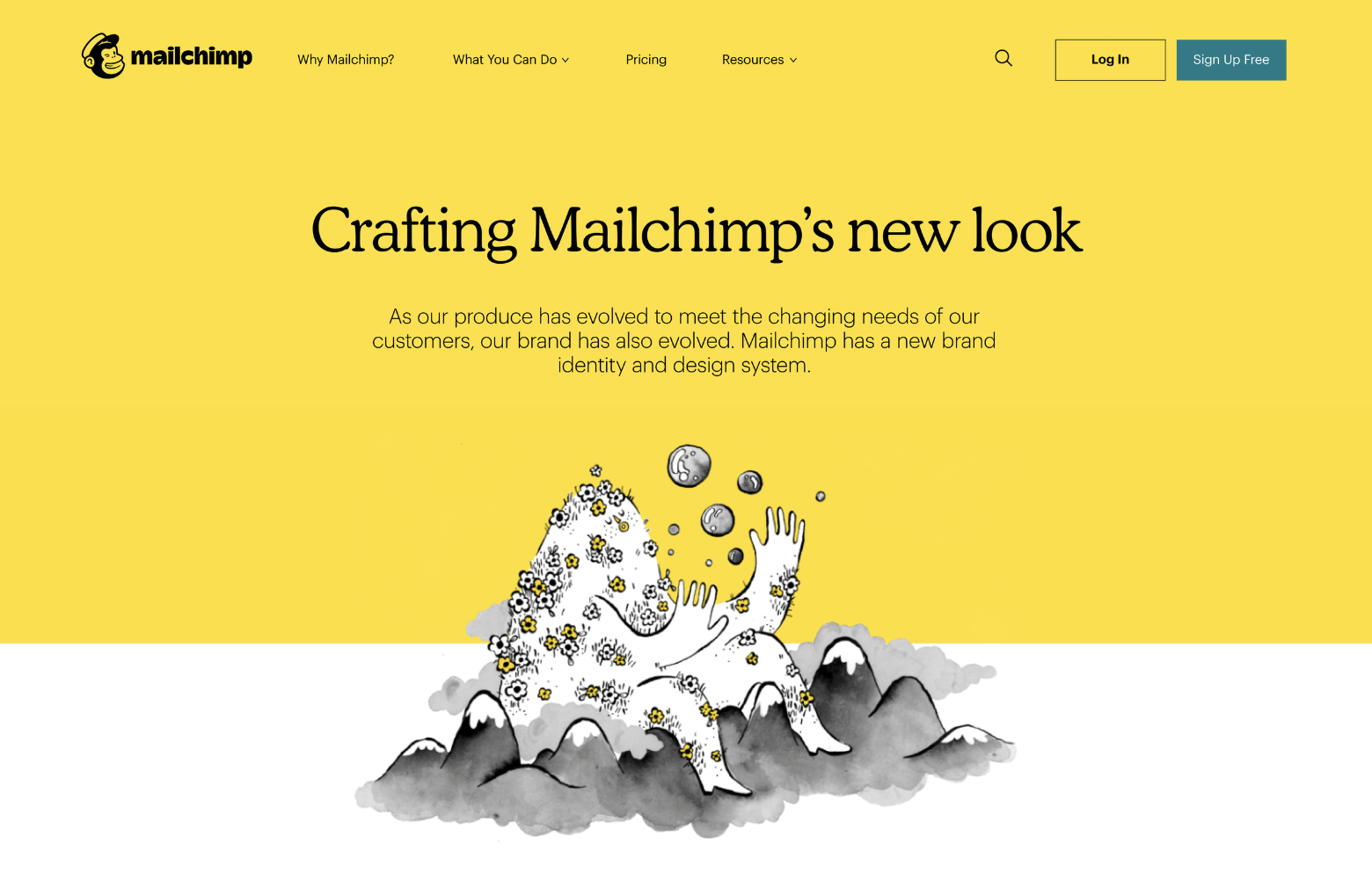
Ideal for: Small businesses, creators, and agencies looking for pre-made templates and integrations.
Mailchimp remains an industry reference point for ease of use. Its drag-and-drop builders, segment creation tools, and native integration list make setting up a bulk newsletter fast and straightforward.
-
Key Strengths:
-
Hundreds of email templates and layout designs.
-
Integrates natively with almost every CRM, web builder, and e-commerce platform.
-
Predictive audience analytics and automated A/B testing.
-
-
The Catch: One of the most expensive bulk services for larger lists because it charges based on total stored contacts (including unsubscribes).
-
Pricing: Free tier for 250 contacts. Paid plans start at $13/month.
7. SendPulse — Best Multi-Channel Communication Platform
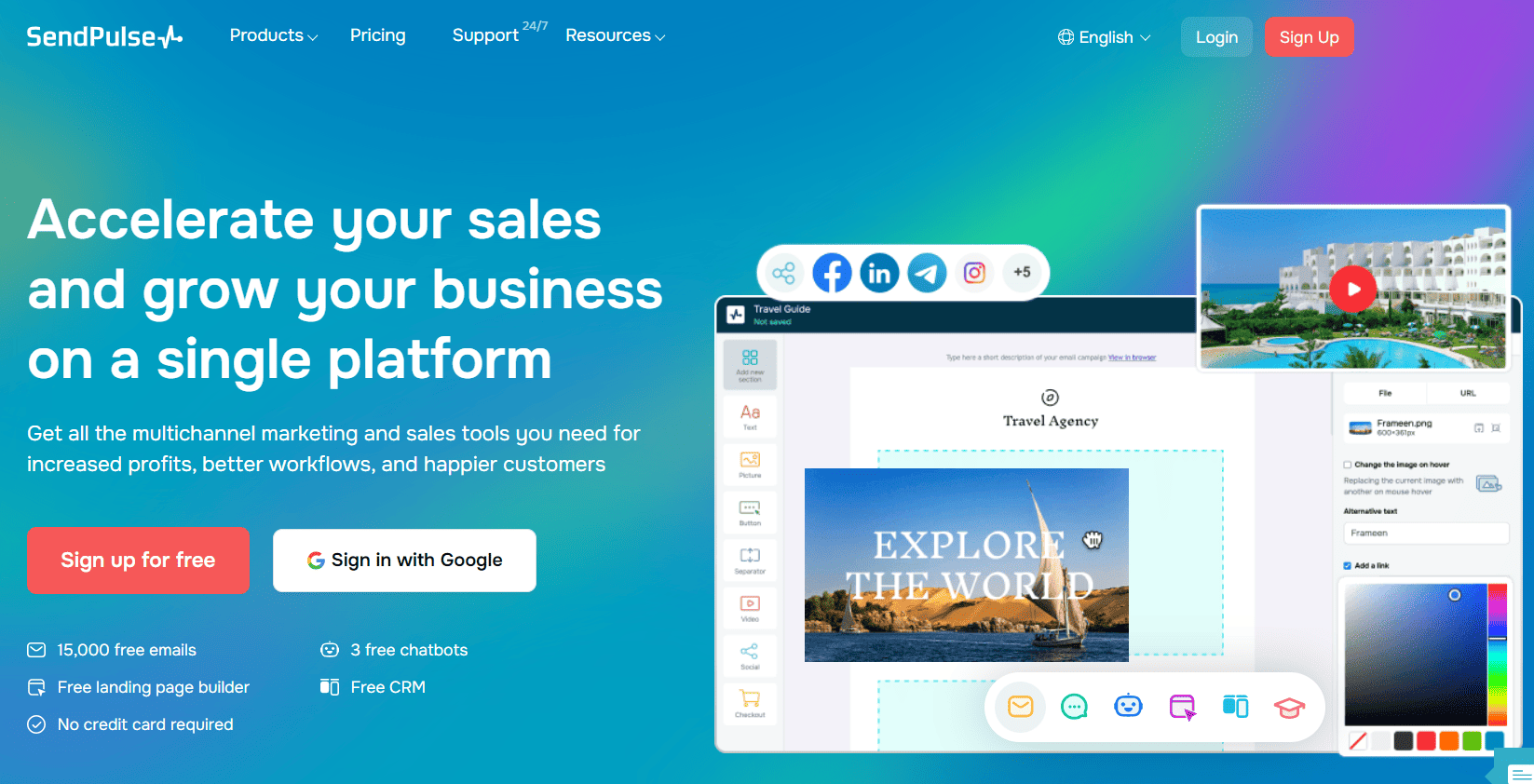
Ideal for: Businesses wanting to combine mass email sending with SMS and WhatsApp marketing.
SendPulse provides a solid free tier while allowing you to send email campaigns alongside instant web push notifications and messenger chatbots from one central location. To maintain a structured cross-channel distribution schedule, reference our social media content calendar guide.
-
Key Strengths:
-
Generous free plan supporting 15,000 emails per month.
-
Integrated subscriber CRM with SMS and WhatsApp message options.
-
Combined platform and SMTP infrastructure.
-
-
The Catch: Template builder feels slightly less modern than Mailchimp or Brevo.
-
Pricing: Free tier available. Paid plans start at $9.60/month.
How to Choose the Right Bulk Email Service
To select the right platform without overpaying or hitting deliverability roadblocks, review these key considerations:
-
Pricing Model (Contacts vs. Sends):
-
If you have a large list but only send 1-2 newsletters a month, pick a provider that charges by send volume (e.g., Brevo or Amazon SES).
-
If you send emails daily to a small, highly targeted audience, contact-based pricing (e.g., Mailchimp) may work better.
-
-
API vs. Dashboard Interface:
-
If your team has backend engineers, an Email API (Amazon SES, Mailtrap, Mailgun) delivers high savings and control.
-
If you are a marketer or business owner, choose a visual marketing platform (Brevo, SendPulse, Mailchimp).
-
-
Authentication Protocols & Inbox Search Compliance:
-
Ensure your chosen provider supports simple configuration for SPF, DKIM, and DMARC records. High-volume sending domains must comply with modern authentication rules detailed in Google Email Sender Guidelines.
-
To track how marketing tech impacts your overall digital footprint, review top diagnostic toolset options in our guide to the best AI visibility tools.
-
Final Recommendation
-
Best Value for Marketers: Brevo – You store contacts for free and only pay for what you actually send.
-
Best Value for High Volume & Tech Teams: Amazon SES – Costs cents per thousand emails at high scale.
-
Best for SaaS & App Developers: Mailtrap – Excellent for isolating bulk marketing sends from critical transaction messages.

SURBHI THAPA
Surbhi Thapa is an SEO specialist focused on SEO strategy and content optimization.
Surbhi Thapa is an SEO specialist focused on SEO strategy and content optimization.