









AI Overview Paragraph:
An algorithm is a clear, step-by-step set of instructions used to solve a problem or complete a task, much like a recipe that always leads to the same result when followed correctly. Computers use algorithms to turn input data into a useful output, such as ranking a search result, suggesting a video, or calculating a route. Algorithms can be simple, like comparing three numbers, or complex, like machine learning models that learn patterns from data over time. People use algorithms every day without realizing it, from getting dressed to navigating traffic, because any structured decision-making process technically qualifies as one.
Key Points:
- An algorithm is a finite, well-defined sequence of steps that transforms an input into a specific output.
- It must be clear, consistent, and always finish, the same input should always produce the same result.
- Algorithms work in three stages: input (data), processing (logic/rules), and output (result).
- They come in different types, linear, conditional, looping, and machine learning algorithms that improve with data.
- Search engines and social media platforms use algorithms to decide what content to rank or show first, based on relevance, trust, and engagement.
- An algorithm is not the same as code or a program, the algorithm is the logic, code is its written form, and a program is the running software.
Quick Answer: An algorithm is a clear, step-by-step set of instructions used to solve a problem or complete a task, the same way a recipe tells you exactly what to do, in what order, to get a specific result. Computers use algorithms to turn raw data (input) into useful results (output), whether that’s ranking a Google search, suggesting a Reels video, or calculating your bank interest. You already use algorithms every day without realizing it, from making tea to picking a route to work.
If you’ve ever wondered “why does my Instagram feed show certain videos first?” or “how does Google decide which website to show on top?”, the answer, in both cases, is: an algorithm. Let’s break it down in plain, no-jargon language.
What Is an Algorithm, Really?
Strip away the technical language, and an algorithm is nothing but a logical sequence of steps that always leads to a specific outcome, given the same starting conditions.
Think of it like a GPS calculating your route. It doesn’t guess, it follows a defined logic:
- Take your current location and destination (input)
- Compare possible routes based on distance, traffic, and road closures (processing)
- Show you the fastest path (output)
That’s it. That’s an algorithm. No magic, no mystery, just organized decision-making. As Stanford’s Human-Centered AI Institute defines it, an algorithm tells a computer how to process inputs to produce an output — whether that output is a decision, a prediction, or a sorted list.
For a set of steps to officially count as an algorithm, it needs to check a few boxes:
- It must be clear, every step should be unambiguous, with no room for guessing.
- It must have defined inputs and outputs, what goes in and what comes out should be known.
- It must finish, a real algorithm can’t run forever; it has to reach an end point after a finite number of steps.
- It must give consistent results, the same input should always produce the same output.
How Does an Algorithm Actually Work?
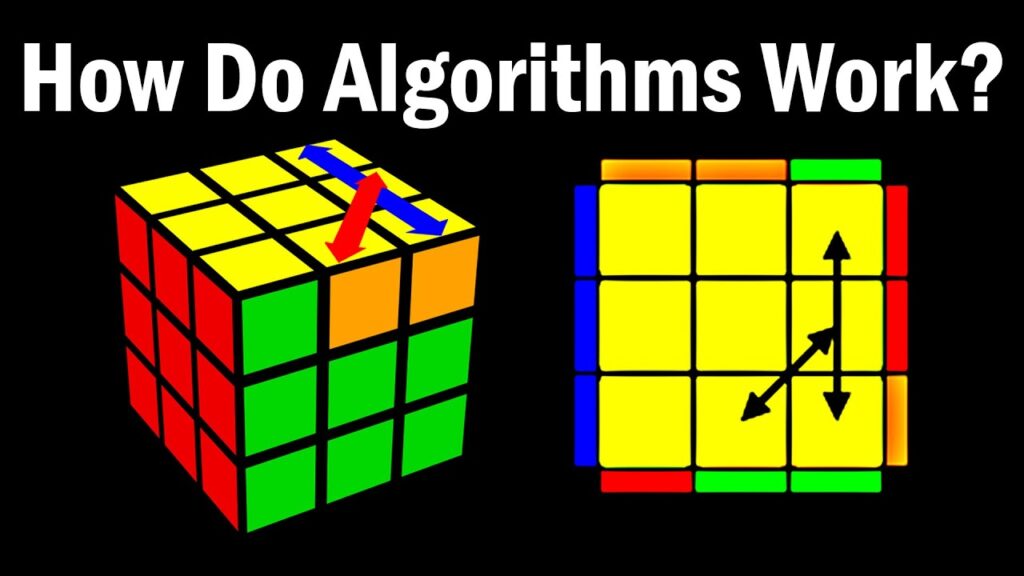
Every algorithm, whether it’s running a search engine or brewing your morning coffee — follows the same three-part structure:
1. Input: the raw information or data you start with.
2. Processing: the logic, rules, or calculations applied to that data.
3. Output: the final result or decision.
A real example: Suppose you want to find the biggest of three numbers, say 12, 45, and 30.
- Input: the three numbers
- Processing: compare them step-by-step using simple logic (if the first is bigger than the other two, it’s the answer; otherwise, check the next one)
- Output: 45
That’s a complete algorithm, small, but functionally identical to the logic behind far more complex systems like fraud-detection software or route planners.
Types of Algorithms (Explained Without the Jargon)
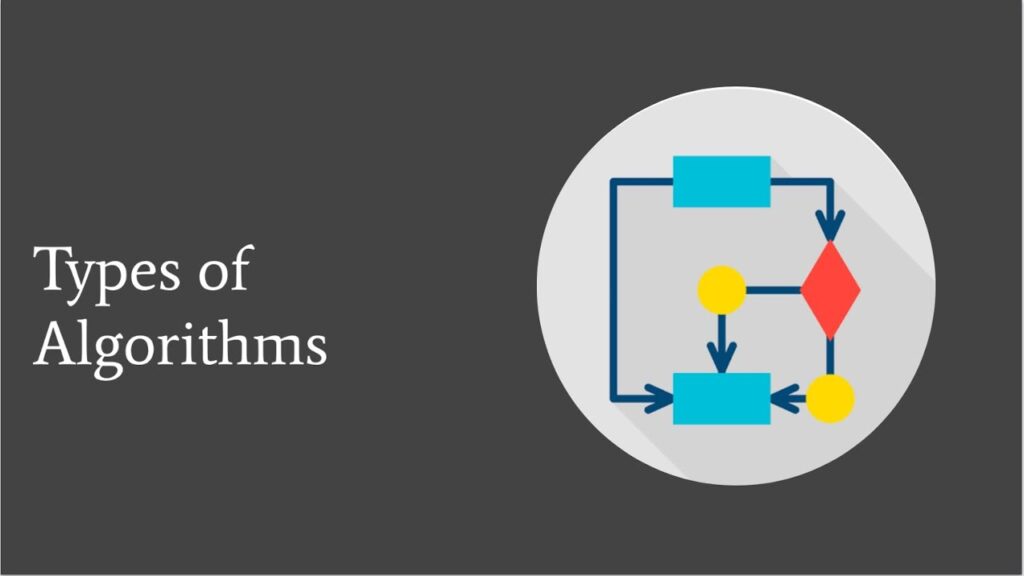
Not all algorithms work the same way. Broadly, they fall into three categories:
- Linear (sequential) algorithms: steps run one after another, like following a recipe exactly as written.
- Conditional algorithms: decisions are made using “if this, then that” logic. Example: “If it’s raining, carry an umbrella.”
- Looping algorithms: a set of steps repeats until a condition is met. Example: a washing machine repeating a rinse cycle until the water runs clear.
There’s also a fourth, increasingly common category: machine learning algorithms. Instead of following fixed rules, these algorithms study patterns in past data and improve their own decision-making over time, this is what powers things like Netflix recommendations or spam filters.
Real-Life Examples of Algorithms You Use Daily
You don’t need to be a programmer to interact with algorithms, you already do, constantly:
- Getting dressed: Check the weather → check what’s clean → pick an outfit. That decision process is an algorithm.
- Making tea or coffee: A fixed sequence of steps that gives the same result every time.
- Online shopping: The “recommended for you” section runs on an algorithm analyzing your browsing and purchase history.
- Traffic navigation apps: Constantly recalculate the fastest route using live traffic data.
- Search engines: Decide which webpage deserves the #1 spot out of millions, based on relevance, authority, and user intent.
What Is an Algorithm in Social Media and Search Engines?
This is where algorithms directly affect your visibility online, and it’s the part most definitions skip.
On platforms like Instagram, YouTube, or Google, the algorithm isn’t just “processing data.” It’s constantly scoring content based on signals such as:
- How relevant the content is to what the user is searching for or engaging with
- How much people interact with it (likes, watch time, clicks, shares)
- How trustworthy or authoritative the source is
- How fresh or updated the content is
This means when someone asks “why isn’t my content getting reach?”, the honest answer is almost always: the algorithm isn’t finding enough relevance or trust signals in your content yet.
This is exactly why generic, copy-pasted, or shallow content struggles to rank, search and social algorithms are built to detect and deprioritize it. Solid, specific, well-structured content performs better because it matches what the algorithm is actually trained to reward: clarity, depth, and real user value.
If you want to understand this shift in more depth, especially with AI-driven search, this breakdown on how AI mode impacts local SEO explains how ranking signals are evolving right now. There’s also a detailed piece onLLMs affects rankings , which is directly connected to how modern algorithms decide what content to trust.
Algorithm vs. Program vs. Code: What’s the Difference?
People often use these three words interchangeably, but they aren’t the same thing:
| Term | What It Actually Means |
| Algorithm | The logic or plan — the “thinking process” for solving a problem |
| Code | The algorithm written in a specific programming language (like Python or C++) |
| Program | The actual running software built using that code |
In short: the algorithm is the idea, the code is the language it’s written in, and the program is the finished product that runs it.
Why Understanding Algorithms Matters for Your Business
Here’s the part that actually affects growth, not just curiosity: if algorithms decide what ranks and what doesn’t, on Google, Instagram, or even AI tools like ChatGPT’s answers, then understanding how they work isn’t optional for a business anymore. It directly shapes whether your website, blog, or brand gets discovered.
This is exactly the principle small businesses need to apply today. As covered in AEO for Google visibility , algorithms are no longer just ranking pages, they’re increasingly deciding which content gets pulled into AI-generated answers. Businesses that structure their content around real user intent get picked up more often, both in traditional search and AI Overviews.
If you’re unsure whether your website’s content is actually algorithm-friendly, it’s worth getting a professional review, teams like Digimastreys specialize in aligning content with exactly these ranking signals, so your pages don’t just exist online, they actually get found.
How to Make Your Content “Algorithm-Friendly” (Practical Tips)
Since algorithms, whether on Google, YouTube, or Instagram, are essentially pattern-matching systems looking for relevance and trust, here’s what actually helps content perform better:
- Answer the exact question, early. Algorithms (and AI search tools) reward content that gives a direct answer near the top, not buried under three paragraphs of introduction.
- Avoid repeating the same point in different words. Algorithms are trained to detect thin or padded content, and it usually gets ranked lower than tighter, more specific writing.
- Use structure the algorithm can parse. Clear headings, short paragraphs, and FAQs help both search engines and AI models extract and reuse your content in answers.
- Match real search intent. Write for the actual question someone is typing, not just the keyword. “What is an algorithm” and “how does a social media algorithm work” need slightly different answers, even though they’re related.
- Keep updating older content. Algorithms — especially Google’s — factor in freshness. A page updated with current, accurate information tends to outperform one left untouched for years.
None of this is about “tricking” the system. It’s the opposite, algorithms are designed to reward content that genuinely helps the person reading it, and that’s the simplest way to stay aligned with them long-term.
Bottom Line
At its core, an algorithm is simply a structured way of solving a problem, the same logic that powers a search engine ranking also powers something as basic as deciding what to wear. Understanding how algorithms work matters today more than ever, because they quietly decide what gets seen, ranked, and trusted online — whether by Google, social media, or AI search tools.
Frequently Asked Questions
What is an algorithm in simple words?
An algorithm is a clear set of step-by-step instructions used to solve a problem or complete a task, similar to a recipe, the same steps, followed in the same order, always lead to the same result.
Is an algorithm the same as a computer program?
No. An algorithm is the logic or plan for solving a problem. A program is the actual software built by turning that logic into code and running it on a computer.
What is an algorithm in social media?
In social media, an algorithm is the system that decides which posts or videos to show a user first, based on signals like engagement, relevance, recency, and past behavior.
Where did the word “algorithm” come from?
The term traces back to the 9th-century Persian mathematician Al-Khwarizmi, whose name was Latinized into “algorithmus”, a reference to structured, step-by-step mathematical problem-solving.
Why are algorithms important in everyday life?
Algorithms power almost every digital decision you interact with, search rankings, app recommendations, navigation routes, fraud detection, and more, making processes faster, more consistent, and more reliable than manual decision-making.

Vikas Verma is an SEO specialist and web designer focused on SEO strategy, website design, and digital experiences.