








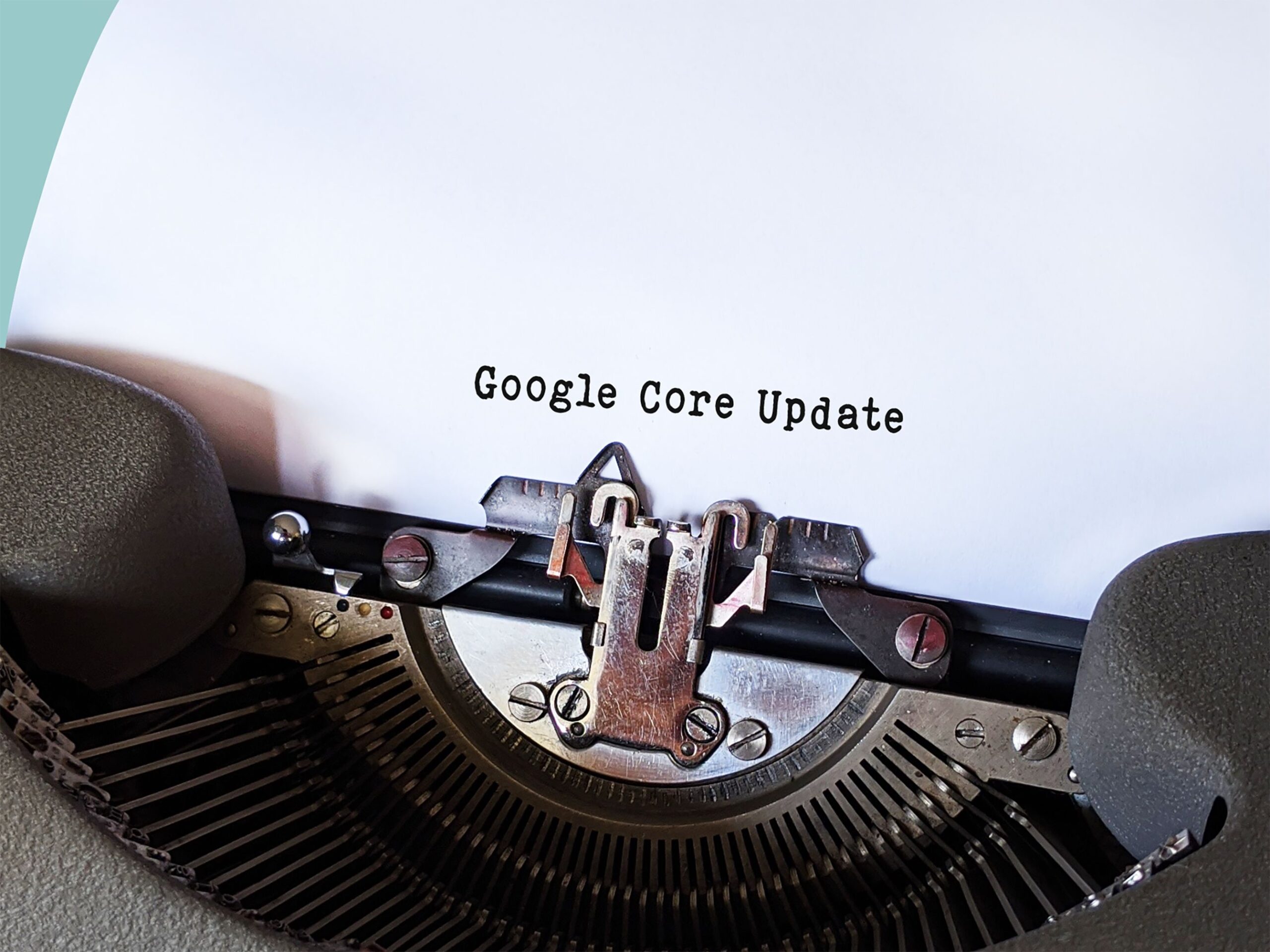
Google has officially initiated its November 2026 core update, making it the third broad core refresh to hit organic search this year.
Announced directly on the official Google Search Status Dashboard, the deployment kicked off at 10:06 a.m. PT. According to Google’s Search Central team, this rollout affects organic rankings across all languages globally and will take approximately two weeks to run its course.
For website owners, publishers, and e-commerce brands preparing for peak fourth-quarter traffic, an unannounced algorithmic recalibration right before the holidays creates understandable anxiety.
Here is everything confirmed about the November 2026 core update, the timeline of recent rollouts, and the steps site owners should take to audit ranking fluctuations without making costly, reactive mistakes.
What Google Has Stated About the Rollout
Google formally announced the launch with a concise entry on its status tracker and an update via LinkedIn:
“Released the November 2026 core update, which applies globally and to all languages. The rollout may take up to 2 weeks to complete. This is a regular update designed to better surface relevant, satisfying content for searchers from all types of sites.”
The statement mirrors the language Google used during its March core release earlier this year. No unique ranking penalties or system-specific targets such as a single vertical, narrow content format, or individual domain tier were announced alongside the deployment.
Google reiterated that broad core updates are not algorithmic penalties. Instead, they represent routine recalibrations intended to help automated systems better interpret the natural evolution of online content, reward high-utility resources, and maintain helpful results across all query categories.
The 2026 Algorithmic Rollout Timeline
The November release marks the eighth confirmed ranking system change documented by Google this year. It arrives after a five-month break following the previous core refresh in late spring, during which Google primarily targeted manipulative patterns through several rapid spam sweeps.
To place this release in perspective, review the timeline from our comprehensive archive on Google algorithm updates and ranking systems:
-
-
November 2026 Core Update: Launched November 10, 2026 (currently rolling out, estimated 14 days)
-
September 2026 Spam Update: September 24 to October 8, 2026 (duration: 13 days, 16 hours)
-
August 2026 Spam Update: August 18 to August 21, 2026 (duration: 2 days, 16 hours)
-
June 2026 Spam Update: June 24 to June 26, 2026 (duration: 2 days, 1 hour)
-
May 2026 Core Update: May 21 to June 2, 2026 (duration: 11 days, 21 hours)
-
March 2026 Core Update: March 27 to April 8, 2026 (duration: 12 days, 4 hours)
-
March 2026 Spam Update: March 24 to March 25, 2026 (duration: 24 hours)
-
February 2026 Discover Core Update: Launched February 5, 2026 (dedicated Discover surface recalibration)
Earlier this fall, webmasters saw heavy crackdowns during the September 2026 spam update, which focused heavily on programmatic low-value pages and deceptive link architectures. By comparison, broad core updates do not target policy violations; they evaluate structural merit, user satisfaction, and contextual relevance at scale.
Why the Timing Presents a Challenge for Marketers
A two-week rollout places the completion date around November 24, 2026.
The dates create a tricky situation for businesses tracking analytics:
The Holiday Baseline Distortion
Google’s documentation advises webmasters to avoid drawing firm conclusions while an update is deploying. Official guidance suggests waiting at least one full week after the rollout completes, then comparing that post-rollout performance against a clean baseline week taken just before the update started (prior to November 10).
However, the week immediately following November 24 runs directly into U.S. Thanksgiving, Black Friday, and Cyber Monday. For retail brands, local storefronts, and consumer technology publishers, consumer search intent and shopping query volumes surge drastically during this window.
Comparing holiday spikes directly against pre-holiday traffic creates distorted trendlines. Organic teams will need to separate holiday-driven shopping surges from actual algorithmic ranking shifts by monitoring pure keyword position distribution alongside conversion volumes.
Dynamic SERP Adjustments
Throughout this year, Google has steadily expanded generative surfaces and intent routing. As search results adapt around conversational discovery, tracking visibility requires aligning site structure with modern Generative Engine Optimization to ensure transactional entities and source references maintain prominence in automated summaries.
How to Handle Your Search Console Data During the Rollout
Seeing volatile positions on third-party rank trackers can trigger hasty site changes. Before adjusting architecture, follow this workflow:
-
Avoid Mid-Rollout Edits: Rank fluctuations during active deployments are often temporary as Google tests different query interpretations and data caches. Do not make reactionary changes to URL structures, canonical tags, or page content while systems are shifting.
-
Account for Reporting Latency: As recently discussed when Google addressed Search Console indexing delays, data pipelines and diagnostic graphs experience natural processing lags. Real-time changes show up in your live server logs and performance queries first, not aggregate index summaries.
-
Verify Site Fundamentals: Use this transition period to run a clean audit against your technical SEO checklist. Ensure core web vitals are steady, internal linking paths remain accessible to crawlers, and server responses return clean status codes without intermittent dropouts.
-
Audit Search Intent Realignment: Once the rollout finishes, examine specific queries where impressions shifted. Determine whether Google favored pages offering deeper first-hand expertise, better comparative tables, or more direct transactional answers.
-
-
Looking Ahead
Google will update its documentation once the November 2026 core update completes its global deployment. We will monitor SERP volatility, track vertical-specific shifts across publisher networks, and update this analysis as soon as final rollout metrics become available.

VIKAS VERMA
Vikas Verma is an SEO specialist and web designer focused on SEO strategy, website design, and digital experiences.
Vikas Verma is an SEO specialist and web designer focused on SEO strategy, website design, and digital experiences.