





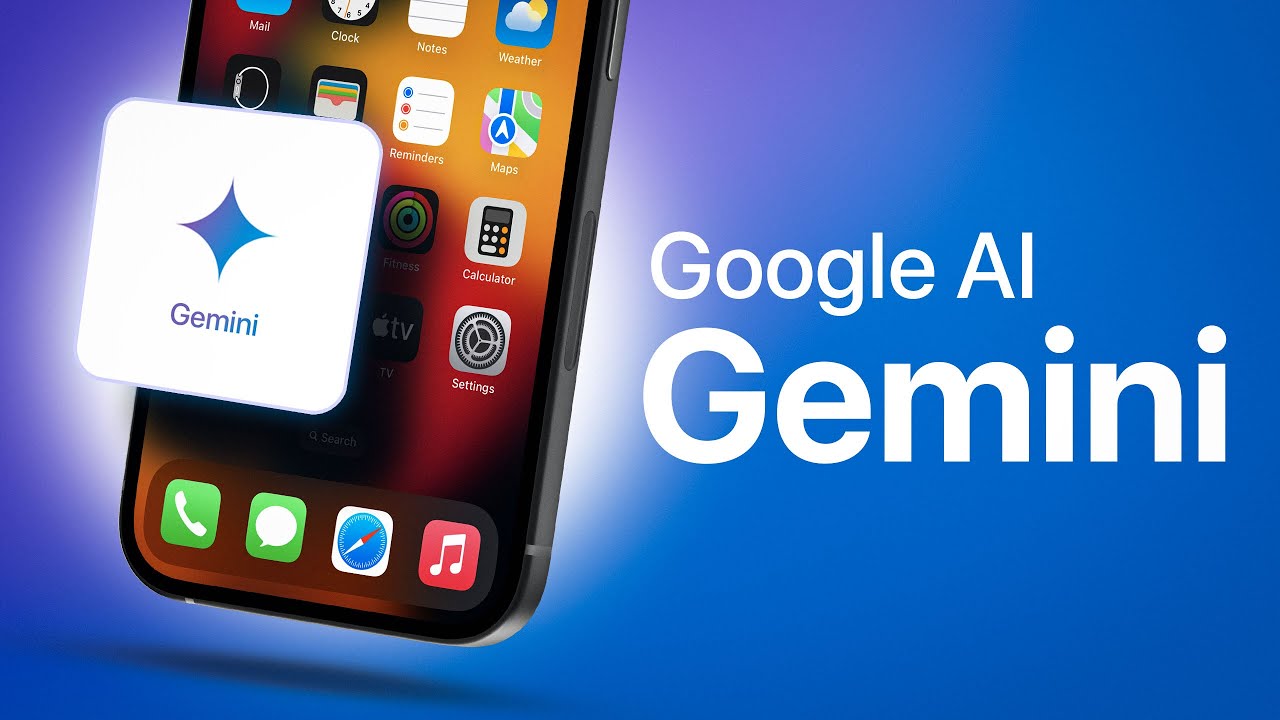
Google has officially taken another monumental leap in transforming search from an informational lookup engine into a full-fledged execution layer. On October 28, 2026, Google formally unveiled the public developer preview of its Connected Apps Platform.
This milestone transitions Google’s connected app capabilities from exclusive, enterprise-only partnerships into an open, structured developer program. For the first time, third-party software developers, transactional platforms, and digital services can apply to connect their applications directly into AI Mode within Google Search and the standalone Gemini app.
As Robby Stein, Vice President of Product for Google Search, confirmed, the public preview provides a standardized framework, policy guide, and console for third-party integrations. However, Google is also enforcing strict developer guidelines to combat spam, misleading descriptions, and prompt manipulation within AI ecosystems.
Here is a deep, comprehensive breakdown of how the Connected Apps Platform works, its technical foundations, policy rules, and what it signals for digital marketers, software developers, and SEO strategists.
What is the Google Connected Apps Platform?
Historically, AI engines like Gemini relied on bespoke, one-off partnerships to interact with external tools (such as native integrations with Google Workspace, YouTube Music, or early corporate partners).
The Connected Apps Platform provides a universal developer pipeline. Instead of requiring direct business negotiations with Google, developers can now build external app connections that allow Gemini and Search’s AI Mode to delegate tasks, pull personal cloud data, and execute transactions directly inside the conversational interface.
Key Takeaway: The Connected Apps Platform is the infrastructure supply chain that feeds integrations into Google’s AI surfaces. It shifts search optimization from simply getting clicked (SEO) to getting executed (Agentic Engine Optimization).
Technical Integration: How Apps Connect to Gemini & AI Mode
Google offers developers two primary technical architecture paths for connecting their applications to the platform:
1. Cloud-Hosted Remote MCP Server (Model Context Protocol)
-
Coverage: Web, Android, and iOS users across Gemini and Search AI Mode.
-
How it works: Developers deploy a secure, public HTTPS endpoint exposing their application tools. This system utilizes the open-standard Model Context Protocol (MCP) an open framework designed specifically for AI models to communicate with external databases, APIs, and microservices.
2. Android MCP via AppFunctions SDK
-
Coverage: On-device Android Gemini users.
-
How it works: Native Android applications expose local functionality through Google’s Jetpack AppFunctions SDK. This route executes actions directly on the user’s device hardware, reducing network latency and providing offline or device-specific action capabilities.
Step-by-Step Developer Workflow in Google Connected Console
To bring an app into Search and Gemini, developers must navigate a formal multi-step submission and vetting pipeline inside the Google Connected Console:
| Stage | Action Required |
| 1. Application | Submit an official preview interest form via the Google for Developers Portal. |
| 2. Category Selection | Select a permanent app category (e.g., Booking, Fitness, SaaS, E-Commerce). Note: Category selection establishes baseline capabilities and cannot be altered after registration. |
| 3. Capability Definition | Define a minimum of three distinct capabilities and example user prompts that will be displayed when users authorize the app. |
| 4. Identity & Auth | Configure secure OAuth 2.1 authentication (User-Delegated or Client Credentials). Developers must provide Google with fully populated test accounts for sandbox testing. |
| 5. Tool Synchronization | Google takes a snapshot of the tools exposed by the MCP endpoint or Android SDK, performing strict schema validation. |
| 6. Target Distribution | Specify target countries, localized languages, and specific Google product surfaces. |
| 7. Review & Publishing | Submit for manual testing by Google’s security and quality team before gaining authorization to publish. |
Anti-Manipulation Policy: Preventing “App Choice Gaming”
As search engine optimizers know well, whenever a platform creates a selection algorithm, developers attempt to optimize or manipulate it. Google anticipates this behavior and has embedded explicit developer policies into the Connected Apps framework.
Google’s policy strictly prohibits developers from using deceptive techniques to trick the model into picking their app over competitors.
Prohibited Actions:
-
Model Deception: Developers cannot publish overly broad, inaccurate, or deceptive tool descriptions intended to trigger the app for irrelevant user queries.
-
Competitive Interference: Apps are barred from instructing the model when or how to ignore or replace other connected tools.
-
Third-Party Advertising: Connected app responses cannot bundle third-party ads or promotional links from external companies into the execution layer.
Enforcement Actions:
Violations of these policies carry severe consequences, including:
-
Immediate rejection or suspension of the connected app.
-
Total removal of the app from Google Search and Gemini.
-
Permanent suspension of the organization’s developer account.
How Users Interact with Connected Apps in AI Mode
For everyday users, the experience is designed to be completely frictionless. Rather than leaving Search to navigate complex multi-tab booking workflows, users interact with connected apps through three primary methods:
-
Direct Mention (
@ AppName): Users can explicitly call an app using@Instacartor@Canvadirectly in the chat bar. -
Intent Delegation: Users submit a natural task prompt (e.g., “Order ingredients for a low-carb chicken parmesan recipe”), and AI Mode selects the appropriate connected app (e.g., Instacart) based on tool context.
-
Session Memory: AI Mode defaults to the user’s previously authorized or preferred app for habitual actions, while allowing users to override the selection manually.
Current Live Connected Apps (US English Preview):
Google has already rolled out over 50 connected integrations across Search and Gemini. Notable early adopters live in US AI Mode include:
-
E-Commerce & Delivery: Instacart
-
Creative Tools: Canva
-
Entertainment & Media: YouTube Music
-
Sports & Gaming: Yahoo Fantasy Football, Sleeper Fantasy Football
-
Upcoming Rollouts: Adobe, Experian, Localiza, Peloton, and Calm
What This Means for SEO and Digital Marketing in 2026
The opening of the Connected Apps Platform reinforces a structural shift in digital marketing: search is moving from discovery to fulfillment.
To maintain organic reach as AI Mode expands globally, brand marketers and technical teams must evaluate their digital strategy through three lenses:
1. The Rise of Agentic Engine Optimization (AEO) & GEO
Standard keyword density and traditional backlink acquisition are no longer sufficient to secure transactional traffic in AI Mode. Understanding Generative Engine Optimization (GEO) and how LLMs process structured metadata is vital. Brands that offer booking, ordering, or SaaS tools must build robust API integrations and standard MCP servers to remain discoverable inside AI interfaces.
2. Strategic Synergies with Local & Vertical Search
Local service businesses, restaurants, healthcare platforms, and e-commerce stores must keep their structured data flawless. To explore how AI Mode redefines local queries, see our detailed guide on How AI Mode Impacts Local SEO.
3. Understanding the “Agentic Layer”
Google is building an ecosystem where AI models act on behalf of the user rather than merely summarizing text. To dive deeper into where search technology is headed over the next few years, explore our breakdown of the Google Agentic Layer & The Future of Search.
Final Thoughts & Next Steps for Brands
Google’s Connected Apps Platform represents the early stages of a brand-new distribution model. While it is still extremely early as Google Search Advocate John Mueller noted forward-thinking engineering and SEO teams should prepare now.

SURBHI THAPA
Surbhi Thapa is an SEO specialist focused on SEO strategy and content optimization.
Surbhi Thapa is an SEO specialist focused on SEO strategy and content optimization.